

10 Air-Purifying Plants That Trap PM2.5 and Keep Your Home Safe from Lung Cancer
In today’s world, air pollution has become a major concern, especially PM2.5, which is a cause of respiratory diseases and lung cancer. Growing air-purifying plants in your home is an appealing option. This article will introduce you to air-purifying plants that improve indoor air quality and protect the health of you and your family.
- What are air-purifying plants?
- 10 popular air-purifying plants that are easy to grow indoors
- How do air-purifying plants trap PM2.5?
- How to grow and care for air-purifying plants for cleaner air
- Benefits and limitations of air-purifying plants
- Clean air, safer homes, lower lung cancer risk with air-purifying plants
What are air-purifying plants?
Nature has given us excellent natural air purifiers that are also beautiful and stress-relieving. Air-purifying plants are special types of plants that can absorb pollutants and toxins from the air more effectively than regular plants, through natural mechanisms involving their leaves, root systems, and transpiration. These plants don’t just absorb carbon dioxide and release oxygen, but can also filter out harmful toxins such as formaldehyde, benzene, xylene, and ammonia, commonly found in building materials, furniture, and cleaning products.
The leaves of air-purifying plants act like tiny filters that trap particulate and pollutant particulates on their surface. The small pores on the leaves (stomata) absorb toxins and break them down or transform them into harmless compounds. Additionally, microorganisms in the soil and around the plant’s roots help decompose the toxins that are drawn into the soil.
10 popular air-purifying plants that are easy to grow indoors
Each plant has its own unique benefits. Choose the right ones for your space and air-purifying needs.
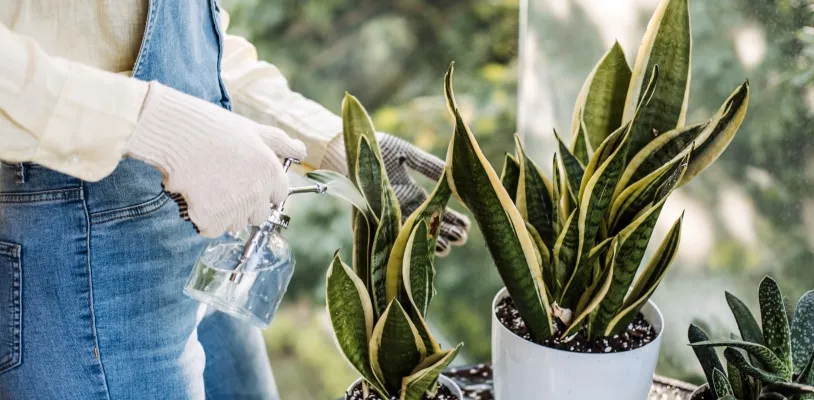
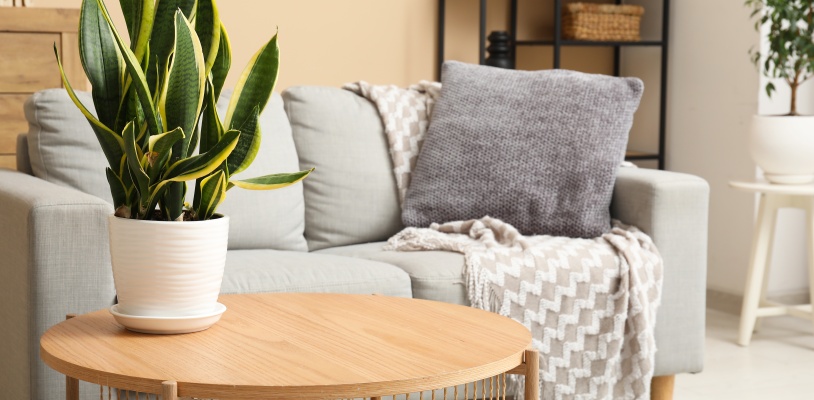
Snake plant
Highlight: Excellent at absorbing formaldehyde and nitrogen oxide, releases oxygen at night.
Care: Drought-tolerant, needs little watering, perfect for beginners.
Best spot: A great air-purifying plant for the bedroom as it releases oxygen at night.
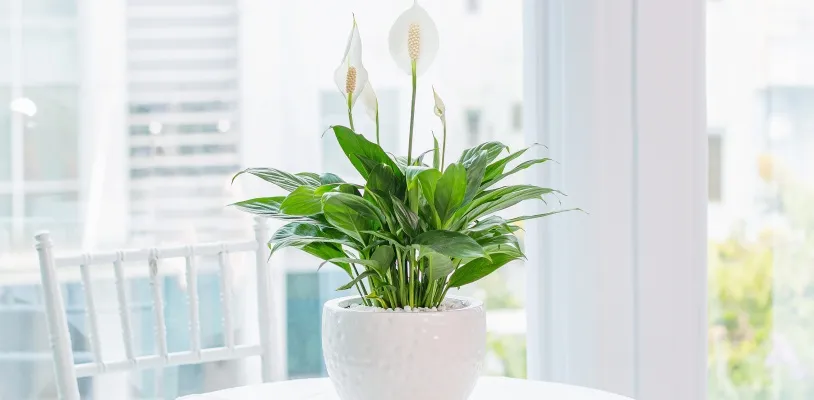
Peace lily
Highlight: Removes multiple toxins including benzene, alcohol, and acetone.
Care: Prefers moderate humidity, needs light but not direct sunlight.
Best spot: Bathroom or kitchen, as it effectively reduces airborne mold.
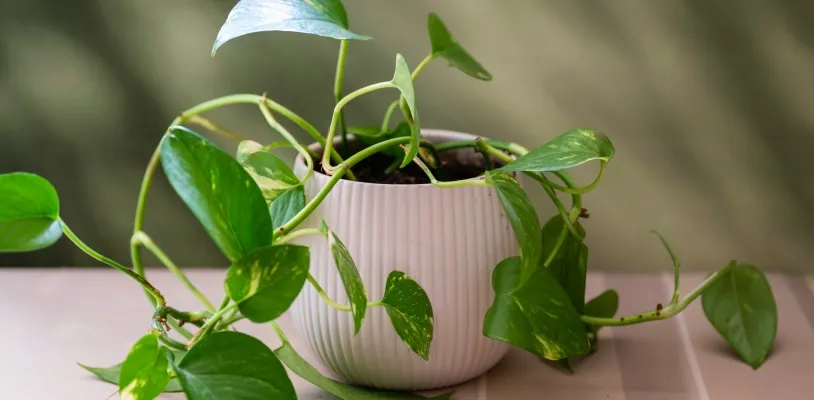
Pothos
Highlight: Good at absorbing formaldehyde, grows quickly, easy to propagate.
Care: Very hardy, low-maintenance, ideal for busy people.
Best spot: Suitable anywhere in the house, especially where there is new furniture that may release formaldehyde.
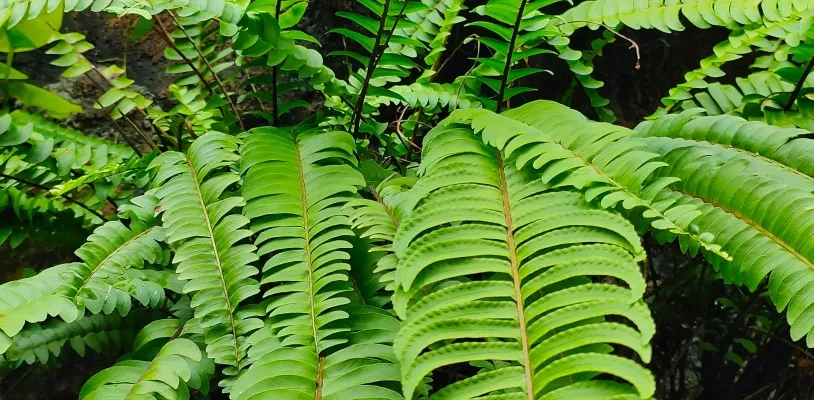
Boston fern
Highlight: Great at capturing particulates and pollutants, increases air humidity.
Care: Needs high humidity and indirect light.
Best spot: Rooms with dry air or spaces with computers and electronic equipment.
_814x400.webp?format=webp&width=814&height=400)
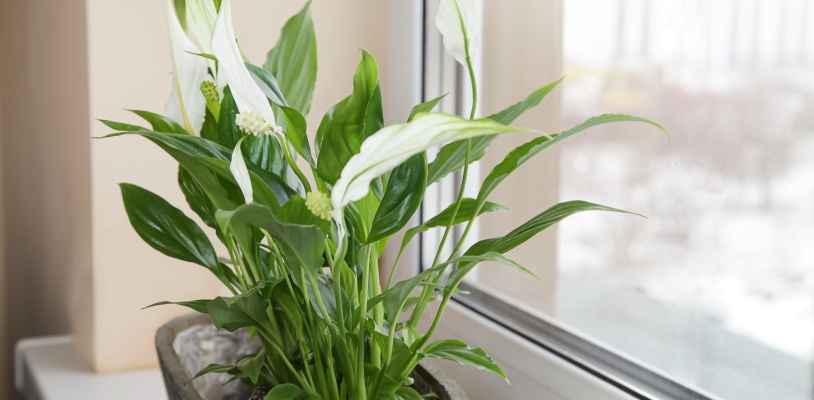
Spathiphyllum
Highlight: Removes ammonia and formaldehyde, suitable for those prone to allergies.
Care: Prefers moderate humidity and indirect light.
Best spot: Living room or workspace.
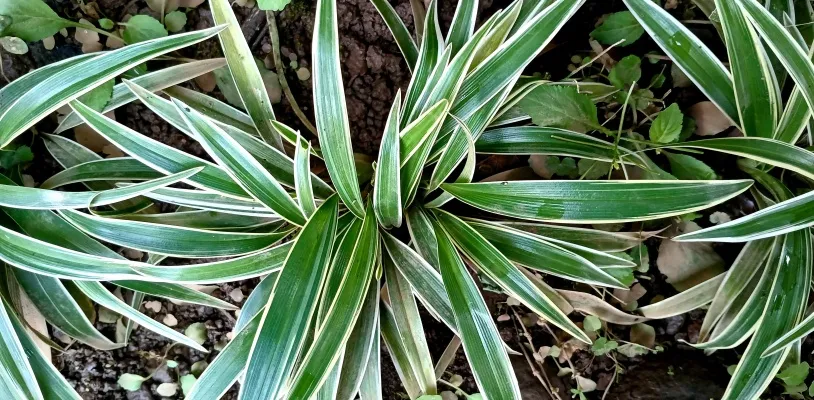
Spider plant
Highlight: Removes carbon monoxide and nitrogen dioxide effectively.
Care: Hardy, easy to grow, requires little attention.
Best spot: Kitchen or near the stove, as it helps reduce carbon monoxide.

Bamboo palm
Highlight: Filters formaldehyde, benzene, and trichloroethylene.
Care: Needs moderate humidity and soft sunlight.
Best spot: Living room or office with new furniture.
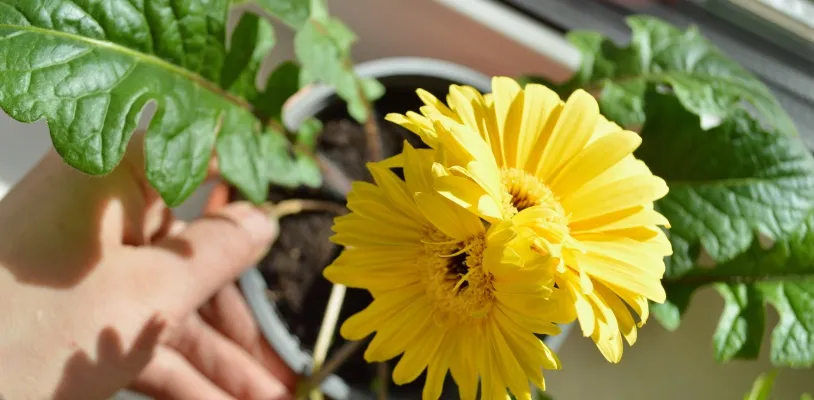
Gerbera daisy
Highlight: Removes benzene and trichloroethylene, produces plenty of oxygen at night.
Care: Needs full sunlight and moist but not soggy soil.
Best spot: Balcony or sunny windowsill.

Agave
Highlight: Releases oxygen at night, drought-tolerant, easy to maintain.
Care: Needs little water and full sunlight.
Best spot: Balcony or near a sunny window.
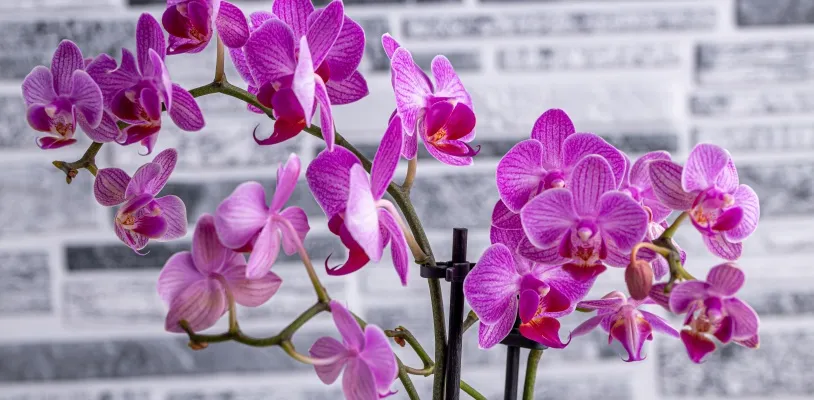
Orchids
Highlight: Removes xylene and ammonia from paints and cleaning products.
Care: Prefers moderate humidity and indirect light.
Best spot: Bathroom or laundry room.
How do air-purifying plants trap PM2.5?
Plants use fascinating natural mechanisms to trap fine particulates in a way that is both simple and effective. Air-purifying plants capture PM2.5 through several processes. Their leaf surfaces may have tiny hairs or a glossy coating that act like sticky pads to trap particulates, especially in plants with large, thick, or hairy leaves that are highly effective at holding particulates.
In addition, transpiration creates moisture in the air, which helps particulates bind with the humidity and settle onto surfaces instead of floating in the air we breathe. This process works like a natural “air wash.”
Plants particularly effective at capturing PM2.5 include:
- Snake Plant: Upright leaves trap particulates efficiently
- Fiddle-leag fig: Large leaves provide a wide surface to collect particulates
- Boston fern: Fine leaf hairs trap particulates well
- Pothos: Glossy leaves catch particulates and are easy to clean
An example of how this works is that the leaves of a snake plant, about 50 cm tall, can capture around 0.5–1.5 grams of PM2.5 per square meter of leaf surface per day. When several plants are grown in a room, they can significantly reduce the amount of particulate matter in the air.
_814x400.webp?format=webp&width=814&height=400)
How to grow and care for air-purifying plants for cleaner air
Proper care not only keeps your plants healthy and beautiful, but also boosts their ability to purify the air and capture particulate matter.
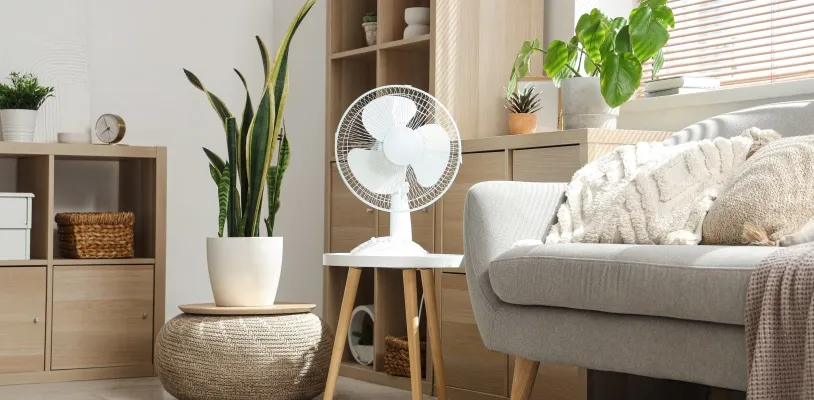
- Placement: Spread plants throughout the home, especially in rooms that are used often. For a room of 20–30 square meters, two to three medium-sized plants are recommended. Avoid crowding them together. Make sure there is good air circulation around each plant.
- Watering: Check soil moisture before watering. Do not overwater until the soil becomes soggy. Different plants have different water needs. For example, snake plants and agave need very little water, while ferns require high humidity. If the air is dry, mist around the plants to increase humidity.
- Light and temperature: Most plants prefer bright, indirect light. Avoid placing them in harsh direct sunlight. Keep the temperature between 18–25°C, which suits most houseplants.
- Soil and fertilizing: Use well-draining soil to prevent root rot. Apply organic fertilizer every 2–3 months. Avoid using too much chemical fertilizer. Replace the soil every 1–2 years to replenish nutrients and prevent fungal build-up.
- Leaf care: Wipe leaves with a damp cloth every 1–2 weeks to remove accumulated dust. Prune yellow or diseased leaves to prevent the spread of disease and fungus.
Benefits and limitations of air-purifying plants
Air-purifying plants have many advantages, but there are also limitations you should know to make the most of them.
- Reducing toxins in the air: Air-purifying plants can help reduce harmful substances in the air.
- Increasing oxygen: Six to eight medium-sized plants can produce enough oxygen for one person.
- Lowering particulate matter: With the right number of plants, indoor air pollution levels can be reduced.
- Reducing stress: Being around plants helps ease stress and promotes relaxation.
- Saving energy: Plants add humidity to the air, which can reduce the need for air conditioners and humidifiers.
Limitations to be aware of
- Cannot eliminate pollution 100%: Plants can reduce pollutants but cannot remove them all, especially in areas with very high levels of pollution.
- A sufficient number is needed: Many plants are required to see a noticeable effect. In general, one to two medium-sized plants per 10 square meters are recommended.
- Possible fungal issues: If not properly cared for, potting soil can become a breeding ground for fungi that may cause respiratory problems.
- Some people may have allergies: Those who are allergic to pollen should choose non-flowering plants or species with little pollen.
Clean air, safer homes, lower lung cancer risk with air-purifying plants
Growing air-purifying plants at home is a simple way to improve air quality and lower health risks. Start by choosing plants that suit your space and lifestyle, such as snake plants for bedrooms or ferns for living rooms.
Protecting yourself and your family from hidden dangers like PM2.5 and air pollution should not be delayed, as the long-term effects can lead to serious illnesses such as lung cancer. While air-purifying plants may not offer 100% protection, they are a natural and effective way to reduce risk.
Alongside improving your home environment with air-purifying plants, having critical illness insurance from Muang Thai Life Assurance is another way to give yourself peace of mind. If the unexpected happens, critical illness insurance provides coverage for medical expenses and income loss during treatment, so you and your family can maintain a good quality of life even in difficult times.
For more information:
☑️ Call Tel. 1766, available 24/7.
☑️ Contact a life insurance agent/service channel.
- Please study the details of coverage, conditions, and exclusions before making a decision to purchase insurance.
Sources: Retrieved on 15/08/25