


IF Weight Loss Plan: How to Get Fast Results Without Looking Exhausted or Risking Gastritis
Over the past few years, "IF for weight loss" has become one of the most popular body management methods. Many view it as easy to follow—eliminating the need to count calories at every meal while delivering relatively fast weight loss compared to traditional dieting.
On the other hand, quite a few people encounter issues when practicing IF, such as fatigue, dizziness, looking exhausted despite weight loss, muscle loss, or even experiencing stomach pain, burning sensations, and an increased risk of gastritis due to excessive fasting or improper dietary choices.
In reality, Intermittent Fasting (IF) is not merely "starving oneself," but rather a structured timing of eating windows and resting the digestive system appropriately. When done correctly, the body can tap into stored energy more efficiently, aiding in weight management, fat loss, and potentially benefiting metabolism.
Key Takeaway
- IF Focuses on Timing: It regulates fasting and eating windows to lower insulin levels and promote stored fat burning, rather than extreme caloric starvation.
- Choose the Right Protocol: Beginners should start with gentler schedules like 14/10 or 16/8 to allow digestive adaptation and prevent physical exhaustion.
- Weight Loss Without Exhaustion: Consume adequate protein to preserve muscle mass, choose complex carbohydrates, stay well-hydrated, and prioritize sleep quality.
- Prevent Gastritis and Acid Reflux: Avoid black coffee on an empty stomach if sensitive, break fasts with easily digestible foods, and avoid lying down immediately after eating.
Too long? Jump straight to the topic of your choice:

What is IF? Why Does it Deliver Fast Weight Loss Results for Many?
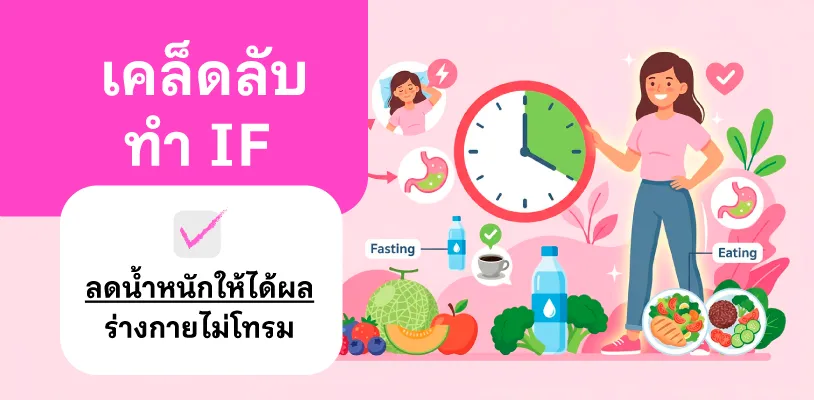
Intermittent Fasting, or IF, is an eating pattern that strictly defines an "eating window" and a "fasting window." It does not primarily dictate which specific types of food to consume, but rather focuses on the timing of when the body receives energy.
The core principle is that when the body remains in a fasting state for a certain period, insulin levels decrease. This prompts the body to increasingly draw upon stored energy, or fat, for fuel. This is the reason why many people experience rapid weight loss when practicing IF, particularly in the initial stages.
Furthermore, IF helps curb habits such as frequent snacking, late-night eating, or overeating, which are among the primary causes of weight gain in working professionals. However, IF is not a magic formula; if calorie consumption exceeds energy expenditure during the eating window, weight may remain stagnant or even increase.
Popular IF Methods
Before starting IF, you should choose a method that best suits your lifestyle and physical condition, as each approach has a different level of intensity.
| IF Protocol | Window Split (Fast/Eat) | Suitability & Key Features |
|---|---|---|
| IF 14/10 | 14 hrs Fast / 10 hrs Eat | Gentle method for absolute beginners, individuals with gastric conditions, reduces fatigue risks |
| IF 16/8 | 16 hrs Fast / 8 hrs Eat | Most popular (e.g., eat 11 AM–7 PM), easy to follow, low stress, highly adaptable for office workers |
| IF 18/6 | 18 hrs Fast / 6 hrs Eat | Accelerates fat burning for experienced fasting practitioners; carries risks of severe hunger cravings |
| OMAD | 23 hrs Fast / 1 hr Eat | One Meal A Day; highly intensive, risks malnutrition, physical weakness, and easy Yo-Yo Effect |
The crucial focus should be "fat loss," not merely "reducing the numbers on the scale." Extreme fasting can result in muscle loss; while weight drops quickly, the body may look exhausted, become easily fatigued, and suffer long-term metabolic damage.
Tips for Effective IF Weight Loss Without Looking Exhausted
If you want IF to deliver fast results while staying healthy, the key is not fasting for as long as possible, but rather creating an "appropriate caloric deficit" while ensuring your body receives complete nutrition.
1. Don't Cut Calories Too Drastically & Prioritize Protein
Eating too little causes the body to enter energy-saving mode and slows metabolism. Ensure sufficient protein intake (e.g., eggs, chicken breast, fish, tofu, Greek yogurt) to preserve muscle mass, increase satiety, and prevent physical exhaustion.
2. Choose Quality Complex Carbohydrates
Opt for complex carbs that keep you feeling full longer and prevent blood sugar spikes, such as brown rice, sweet potatoes, oats, and whole grains, instead of sugary drinks, bakery products, or fried foods.
3. Drink Sufficient Water & Prioritize Quality Sleep
During fasting windows, plain water, unsweetened black tea, and sugar-free black coffee are permitted. Adequate water prevents false hunger and supports metabolism, while sufficient sleep regulates hunger hormones and aids recovery.
4. Exercise Appropriately
Combine weight training 2–4 days per week with light cardio like brisk walking or cycling. Focus on consistency rather than extreme overexertion that could trigger dizziness.

How to Do IF Without Risking Gastritis and Acid Reflux
The concern that prolonged fasting causes gastritis can be managed through proper protocol selection. IF does not directly cause gastritis, but incorrect practices like drinking coffee on an empty stomach or eating heavy meals after fasting can trigger acid reflux and stomach discomfort.
- Start with Moderate Schedules: Beginners should start with 12/12 or 14/10 before moving to 16/8 to allow digestive system adaptation.
- Avoid Massive First Meals: Break your fast with easily digestible foods like rice with clean protein, soup, or eggs rather than heavy buffets or spicy foods.
- Avoid Coffee on an Empty Stomach if Sensitive: If black coffee during fasting triggers stomach pain or burning sensations, switch to plain water.
- Beware of Acid Reflux Triggers: Limit fried foods, coffee, carbonated drinks, and spicy dishes, and wait at least 2–3 hours after eating before sleeping.
Individuals with chronic gastritis, diabetic patients, pregnant women, or those required to take medications on a strict schedule should consult a medical professional before starting IF.
Intermittent Fasting (IF) is an effective weight loss and fat reduction strategy when practiced correctly—selecting an appropriate protocol, securing full nutrition, and listening to bodily signals.
Sustainable weight loss should strengthen the body without causing physical exhaustion, muscle loss, or long-term risks of gastritis and acid reflux.
Particularly in an era of continuously rising medical expenses, proactive health management starting today is of utmost importance. This encompasses proper diet, adequate rest, and regular exercise, alongside long-term healthcare financial planning with Health Insurance to ensure you can live your life with complete confidence, knowing that medical costs will not deplete your hard-earned savings.
Source: Retrieved on 22/04/2026
🔖 King Chulalongkorn Memorial Hospital, The Thai Red Cross Society
🔖 Hfocus
🔖 Wongnai