

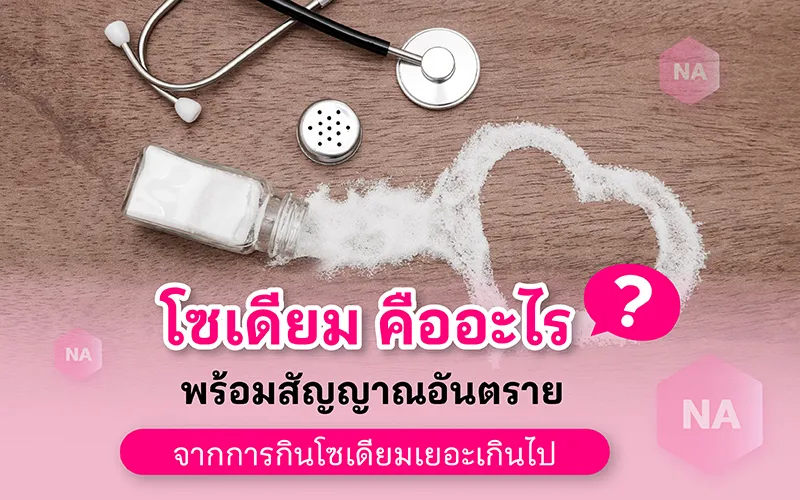
What Is Sodium? Plus the Warning Signs of Sodium Overconsumption
Salt and sodium are part of our daily lives, but did you know that consuming too much sodium can lead to serious, and often unexpected, illnesses? This article will help you understand sodium, where it comes from, how it affects your health, and practical ways to reduce your intake—so you can prevent health problems before they creep up unnoticed.
What exactly is sodium, and how much does the body need?
Sodium is an essential companion to your body, but in excess it turns into a silent enemy, quietly undermining your health. It is a mineral vital for the human body: it regulates fluid balance, helps maintain blood pressure, and supports the normal function of muscles and nerves. Your body needs the right amount of sodium to keep its systems running smoothly.
Many people confuse “salt” with “sodium.” In fact, the salt we use in cooking is sodium chloride—made up of 40% sodium and 60% chloride. This means that just one teaspoon of salt (about 5 grams) contains around 2,000 milligrams of sodium.

Where does sodium hide in everyday life?
Apart from the salt you see, sodium lurks in countless foods we eat every day. Common sources in Thai cuisine include:
- Fish sauce: 1 tablespoon ≈ 1,500 mg sodium
- Light soy sauce: 1 tablespoon ≈ 1,000 mg sodium
- Seasoning sauce: 1 tablespoon ≈ 1,200 mg sodium
- Shrimp paste: 1 tablespoon ≈ 800 mg sodium
- Canned foods (e.g. canned fish, instant noodles): 1,500–2,000 mg per serving
- Snacks: 1 small bag ≈ 300–600 mg sodium
- Processed meats (ham, sausages, cha lua): very high in sodium
Popular dishes packed with sodium
- Tom yum kung (1 bowl): ≈ 1,200 mg sodium
- Phat kaphrao (1 plate): ≈ 1,500 mg sodium
- Som tam (1 plate): ≈ 1,800 mg sodium
- Hainanese chicken rice (1 plate): ≈ 1,000 mg sodium
- Instant noodles (1 pack): ≈ 1,500–2,000 mg sodium

The hidden dangers of too much sodium
Over time, a high-sodium diet can quietly build up serious health problems without you realizing it:
- High blood pressure: Sodium makes the body retain water, which increases blood volume. This forces the heart to work harder and raises blood pressure. Long-term high blood pressure significantly increases the risk of heart disease and stroke.
- Kidney disease: The kidneys have to work extra hard to filter out excess sodium. Chronic overload can lead to kidney damage and eventually kidney failure.
- Heart disease: High blood pressure is a key risk factor for heart disease. Too much sodium increases the chance of heart failure, ischemic heart disease, and heart attack.
- Stroke: Narrowed or ruptured blood vessels in the brain can cause paralysis or death. Sodium-driven hypertension is one of the biggest risk factors.
- Bone loss: High sodium intake causes the body to excrete more calcium in urine, reducing bone density and raising the risk of osteoporosis.
Warning signs your body may be getting too much sodium
Your body often gives signals when sodium intake is too high. Watch for these symptoms and adjust your habits in time:
- Edema: Swelling around the ankles, fingers, or face (especially in the morning) as the body retains water to dilute excess sodium.
- Fatigue and shortness of breath: Caused by the heart working harder to pump the increased blood volume.
- Frequent headaches: A possible sign of hypertension linked to excess sodium.
- Muscle pain and cramps: Resulting from an imbalance of minerals, particularly when sodium outweighs potassium.
- Unusual thirst: The body craves more water to dilute excess sodium.
- Dark, reduced urine output: The kidneys conserve water to balance sodium, leading to darker, smaller amounts of urine.
Recommended daily sodium intake
Knowing the right amount of sodium helps you control your consumption more effectively.
According to the World Health Organization (WHO) and the Department of Health, Ministry of Public Health of Thailand, daily sodium intake should not exceed 2,000 milligrams, which is equivalent to about 1 teaspoon of salt (5 grams).
In reality, however, Thais consume an average of 3,600 milligrams per day—almost twice the recommended amount. Most of this comes from heavily seasoned foods, processed foods, and adding extra condiments at the table. Recommended sodium intake for specific groups:
- Children aged 1–3 years: no more than 1,000 mg per day
- Children aged 4–8 years: no more than 1,200 mg per day
- People with high blood pressure: no more than 1,500 mg per day
- People with kidney disease: no more than 1,000 mg per day (as advised by a doctor)
_814x400.webp?format=webp&width=814&height=400)
Simple ways to cut down on sodium in daily life
Lowering sodium intake isn’t difficult. With a few small changes in eating habits, you can significantly reduce your risk of serious diseases.
- Read nutrition labels: Before buying packaged foods, check the sodium content. Choose products labelled “low sodium” (less than 140 mg per serving).
- Use less seasoning: Cut back on salt, fish sauce, soy sauce, seasoning sauce, and seasoning powder when cooking. Use only half to two-thirds of what you normally use.
- Cook your own meals: Ready-to-eat and restaurant foods are often high in sodium. Cooking at home lets you control how much seasoning goes in.
- Taste before seasoning: Train yourself to taste the food before adding more condiments to avoid over-seasoning.
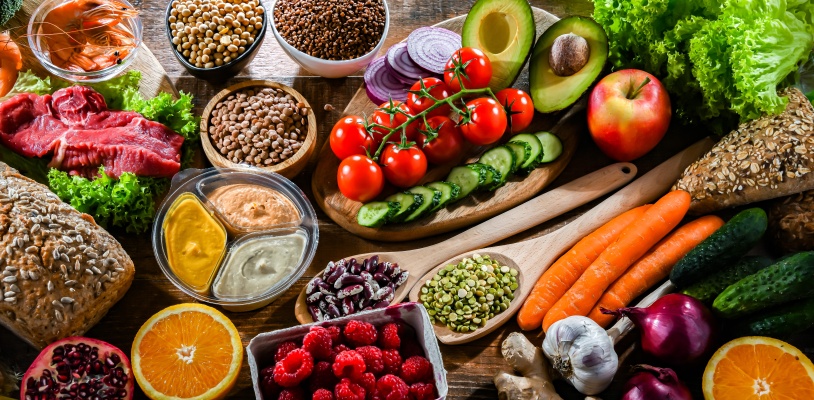
- Replace salt with herbs and spices: Pepper, ginger, galangal, lemongrass, kaffir lime leaves, garlic, shallots, and other herbs can enhance flavor without relying on salt.
- Choose fresh fruits and vegetables: They are high in potassium, which helps counteract sodium’s effect on blood pressure.
- Rinse canned and processed foods: Washing canned foods such as sardines or corn with clean water before cooking can reduce sodium content by about 30–40%.
- Try potassium salt: Potassium salt tastes similar to regular salt but contains less sodium. (Consult a doctor before use if you have kidney disease or are on certain medications.)
Protecting your health against sodium-related diseases
Cutting sodium is just one way to prevent serious conditions linked to excessive intake. Another important safeguard is critical illness insurance, which ensures that if you develop an unexpected illness, you will have adequate financial protection.
Muang Thai Life Assurance offers critical illness insurance plans that cover hypertension, kidney disease, heart disease, and stroke. With comprehensive coverage and flexible conditions, you can choose the plan that best fits your needs and budget.
For more information:
☑️ Call Tel. 1766, available 24/7.
☑️ Contact a life insurance agent/service channel.
- Please study the details of coverage, conditions, and exclusions before making a decision to purchase insurance.
Sources: Retrieved on 15/08/25
🔖Samh