

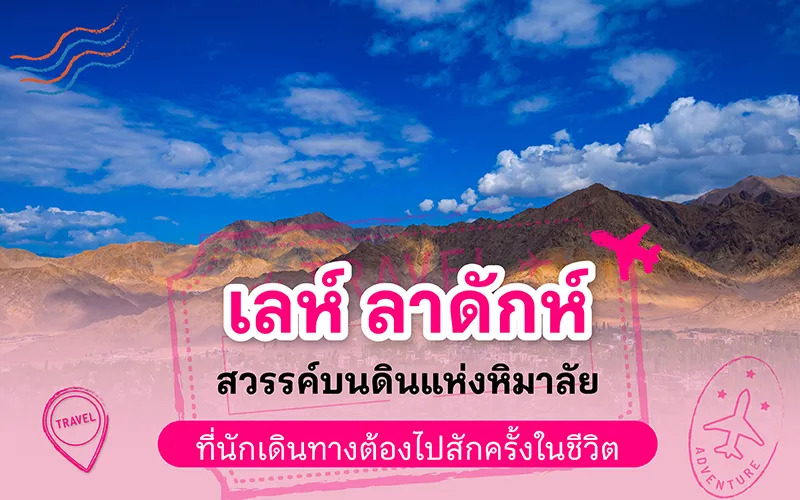
Leh Ladakh: A Himalayan Paradise You Must Visit at Least Once in Your Lifetime
Leh Ladakh, the land of towering mountains, turquoise lakes, and preserved Tibetan culture, is one of the most stunning and fascinating destinations in Asia. In this article, we’ll take you through the magic of Leh Ladakh, along with travel tips and essential information to make your trip unforgettable.
Where is Leh Ladakh? Discover the dreamland of the Himalayas
Leh Ladakh is no ordinary place. It’s like a hidden kingdom nestled in the Himalayas. Leh, the capital of Ladakh, sits in the northernmost part of India at about 3,500 meters above sea level. Because of its strong Tibetan influence in culture, religion, and architecture, it’s often referred to as “Little Tibet.”
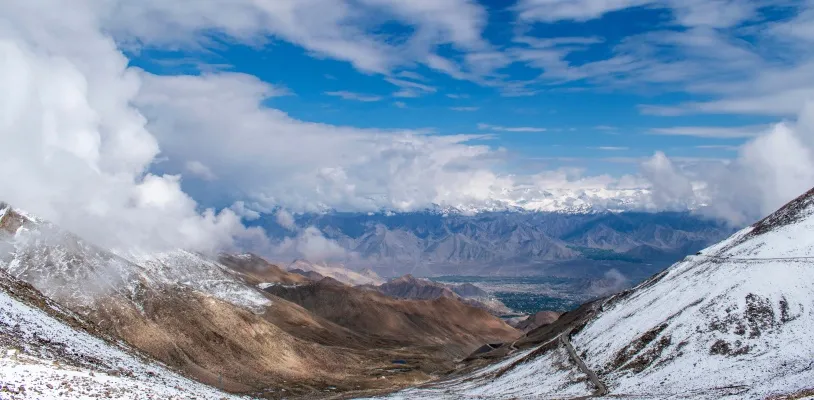
Ladakh is remarkable for its diverse landscapes — towering peaks, crystal-clear lakes, vast valleys, and arid deserts — all of which leave travelers in awe. It’s also home to a long history and indigenous communities that continue to preserve their traditional way of life.
Many people wonder which country Leh Ladakh belongs to. The answer is India. It became a Union Territory in 2019, separated from the State of Jammu and Kashmir. It shares borders with Tibet (China) and Pakistan.
The irresistible charm of Leh Ladakh: Must-visit attractions
Leh Ladakh is full of breathtaking sights, each with its own unique charm waiting to be discovered.
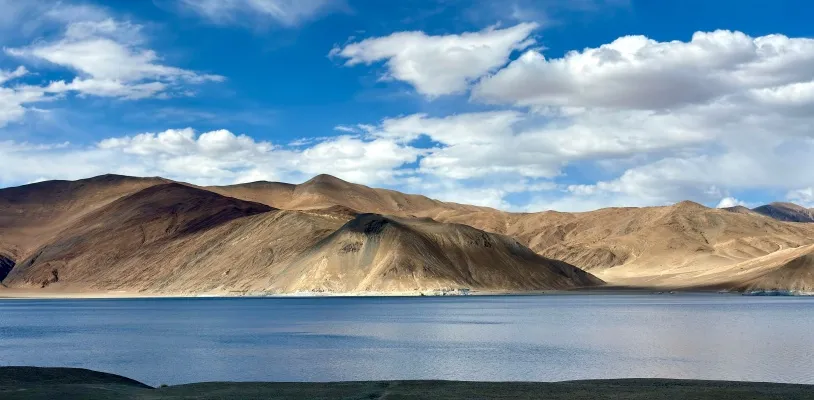
- Pangong Lake – The highest saltwater lake in the world, sitting at 4,350 meters above sea level and stretching 134 kilometers long. Around 60% of the lake lies within Tibet (China). Its fame comes from its turquoise waters that change shades depending on the sunlight throughout the day.
- Nubra Valley – Nicknamed the “Valley of Flowers,” this is where the Shyok and Siachen rivers meet. It’s a place of striking contrasts, with desert landscapes surrounded by snow-capped mountains. Here, you can see rare two-humped camels and experience the traditional lifestyle of villagers in ancient settlements.
- Leh Palace – A 17th-century royal palace perched on a hill overlooking Leh. Its architecture is inspired by the Potala Palace in Tibet. Inside, you’ll find numerous rooms including prayer halls, a throne room, and a museum displaying precious artefacts.
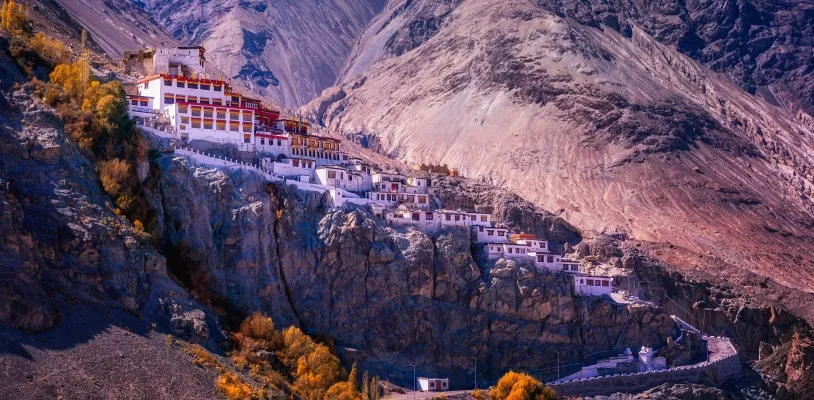
- Thiksey Monastery – The largest Mahayana Buddhist monastery in Ladakh, set on a hilltop at 3,600 meters. It houses a majestic 15-meter statue of Maitreya (Phra Si Ariya) Buddha, along with thangka paintings and historic scriptures.
- Magnetic Hill – A fascinating natural phenomenon. When you park your car in a marked spot and release the brakes, the car appears to roll uphill on its own. It’s actually an optical illusion, but a thrilling experience nonetheless.
- Tso Moriri – Another stunning lake in Leh Ladakh, this time freshwater, at an altitude of 4,522 meters. In summer, it becomes a haven for wildlife, especially the rare black-necked crane and mountain flamingo.
What you need to know before travelling to Leh Ladakh
Good preparation will make your adventure in Leh Ladakh smoother and safer.
Getting there from Thailand
There are no direct flights from Thailand to Leh Ladakh. You’ll first need to fly to Delhi, India, and then take a domestic flight to Leh, which takes about 1 hour 15 minutes.
Alternatively, you can travel overland from Manali or Srinagar, but the journey is long and the routes are quite challenging.
Best time to visit Leh Ladakh
The ideal time to visit Leh Ladakh is from May to September. Winters (October–April) are extremely cold, with temperatures dropping to –30°C, and many routes close due to heavy snowfall.
Documents and precautions
Thai travelers must obtain an Indian visa before departure. For certain areas in Ladakh, particularly near the Chinese and Pakistani borders, an Inner Line Permit (ILP) is required, which can be arranged in Leh. Be prepared for altitude sickness, as Leh Ladakh sits at a very high elevation. Allow the first 1–2 days for acclimatization, drink plenty of water, and avoid strenuous activity at the beginning of your trip.
Language and communication
The main local language in Leh Ladakh is Ladakhi, which is similar to Tibetan. English and Hindi are commonly spoken in towns and major tourist spots. Thai travelers may face some language barriers, but the Ladakhi people are known for their friendliness and hospitality, always ready to help visitors.
Memorable experiences, culture, activities, and local food
Major festivals
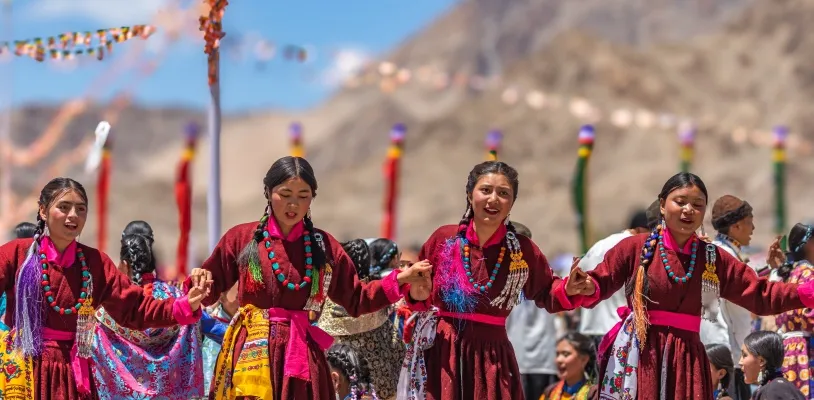
- Hemis Festival – The biggest Buddhist festival in Ladakh, held in June–July at Hemis Monastery to celebrate the birth of Guru Padmasambhava. The highlight is the spectacular Cham Dance (masked dance performance).
- Ladakh Festival – Held every September, this event showcases the art, culture, and folk traditions of the Ladakhi people, complete with colorful parades and local music performances.
Activities worth trying
- Mountain biking tours – Home to the highest cycling routes in the world, perfect for thrill-seekers wanting to get up close to nature.
- Trekking – Countless trails are available for all levels, from beginner-friendly hikes to challenging routes for seasoned trekkers.
- River rafting – The Zanskar and Indus rivers offer exciting rafting experiences, ideal for adventure lovers.
Local food
- Thukpa – A hot noodle soup with vegetables, meat, and spices, perfect for cold weather.
- Momo – Steamed dumplings filled with meat or vegetables, similar to Thai gyoza, usually served with chili or tomato sauce.
- Butter tea – A traditional drink made from black tea, yak butter, and salt. Its rich, salty taste helps the body stay warm in the cold.
Accommodation and travel in Leh Ladakh
Leh Ladakh offers a wide range of accommodation and transport options to suit different needs and budgets.
Types of accommodation
- Guest houses and homestays – Budget-friendly stays that allow you to experience local life and culture up close. Prices range from 500–1,500 rupees per night (about 200–600 Baht).
- Hotels – Options range from mid-range to luxury, especially in Leh. Rates start from around 2,000 rupees per night (about 800 Baht).
- Luxury camps – Upscale camps set in natural surroundings, often with premium services. Prices are around 5,000–15,000 rupees per night (about 2,000–6,000 Baht).
Booking accommodation
During high season (June–September), it’s best to book 2–3 months in advance. Some remote stays may not be available online and need to be arranged via a tour company or accommodation in Leh.
Getting around
- Rental cars and motorbikes – Widely available, though roads can be challenging, so caution is needed.
- Taxis and vans – Can be hired for a day or longer, costing around 2,500–4,000 rupees per day (about 1,000–1,600 Baht).
- Day tours – Popular routes include Pangong Lake and Nubra Valley tours.
Tips for first-time visitors to Leh Ladakh
If it’s your first trip to Leh Ladakh, these tips will make your journey smoother and more enjoyable.
Coping with altitude and weather
- Spend the first 1–2 days acclimatizing instead of rushing into activities.
- Drink at least 3–4 liters of water a day to reduce the risk of altitude sickness.
- Carry painkillers, cold medicine, and anti-nausea tablets.
- If you experience severe symptoms like intense headaches or difficulty breathing, descend immediately and seek medical help.
Budget and expenses
Carry enough cash as ATMs are limited and some areas don’t accept cards.
- Meals typically cost 200–500 rupees each (80–200 Baht).
- Entry fees to attractions range from 50–500 rupees (20–200 Baht).
- Accommodation, transport, and other daily costs usually total around 2,000–5,000 rupees (800–2,000 Baht), depending on your travel style.
What to pack
- Layered clothing, as temperatures vary greatly between day and night.
- High-SPF sunscreen, sunglasses, and a hat. UV rays are strong at high altitudes.
- Personal medicines, plus basic painkillers, antihistamines, and antibiotics for emergencies.
- Multiple power banks, since electricity can be unreliable in some areas.
Photography tips
- Bring extra camera batteries and memory cards.
- Early mornings and evenings offer the best golden light for landscapes.
- Batteries drain faster at high altitudes. Keep them warm in your bag and charge them fully each night.
Frequently asked questions about Leh Ladakh
Travelers often have many questions about visiting Leh Ladakh. Here are the answers to the most common ones.
Do I need a visa?
Yes. Thai travelers must apply for an Indian visa in advance. An electronic visa (e-Visa) can be obtained via the official Indian government website. Additionally, certain parts of Ladakh require an Inner Line Permit, which can be arranged in Leh.
Is it safe for solo female travelers?
Leh Ladakh is considered one of the safest travel destinations in India, with very low crime rates against tourists. However, as with any solo travel, normal precautions are advised, especially at night or in remote areas.
Is the Internet available?
In Leh and other main tourist areas, there is mobile phone and internet coverage, though it can be unreliable. In remote areas, such as parts of Pangong Lake or Nubra Valley, there may be no signal at all. It is recommended to buy an Indian SIM card upon arrival. The best networks in this region are Airtel and BSNL.
Should I join a tour or travel independently?
For first-time visitors with limited time, joining a tour is usually more convenient, as accommodation, transport, and Inner Line Permits are all arranged for you. However, if you prefer flexibility and have more time, travelling independently offers a deeper experience and the freedom to adjust your plans as you wish. Another option is to hire a local guide and a private car, which provides more flexibility than a group tour.
A heavenly land waiting to be discovered – Why Leh Ladakh should be on your travel list
Leh Ladakh is not just another destination. It is an experience that can truly change your life. The dramatic landscapes, turquoise lakes reflecting snow-capped peaks, deep-rooted culture, and the warm smiles of the Ladakhi people will leave lasting memories.
Travelling somewhere as far and adventurous as Leh Ladakh does come with unexpected risks. That’s why having life insurance with Muang Thai Life Assurance is something you should not overlook. It allows you to travel with complete peace of mind, knowing that if anything were to happen, your loved ones would be taken care of even in your absence.
For more information:
☑️ Call Tel. 1766, available 24/7.
☑️ Contact a life insurance agent/service channel.
- Please study the details of coverage, conditions, and exclusions before making a decision to purchase insurance.
Sources: Retrieved on 15/08/25