


From Big Bills to Smart Savings: Tax Deduction Tips Every Business Owner Should Know
From Paying More to Paying Less: Essential Tax Deduction Tips Every Business Owner Should Know
As a business owner, tax planning is crucial. Taxes are unavoidable, but with smart strategies, you can reduce your tax burden and reinvest the savings into growth and development. Various methods to lower business taxes exist, each with pros and cons depending on your business—whether you’re a sole proprietor, running a partnership, or managing a company. Let’s explore the most effective tax deduction strategies to find the best value for your business.
Jump to a section
2. Tax Deduction Strategies for Companies
3. What Tax Deductions Are Available for SME Corporations?
4. How Sole Proprietors Are Taxed
.webp?format=webp&width=814&height=400)
1. What is Business Tax?
Business tax refers to the amount that companies are required to pay to the government. These taxes fund national development and public services, making them a key part of business operations and profitability.
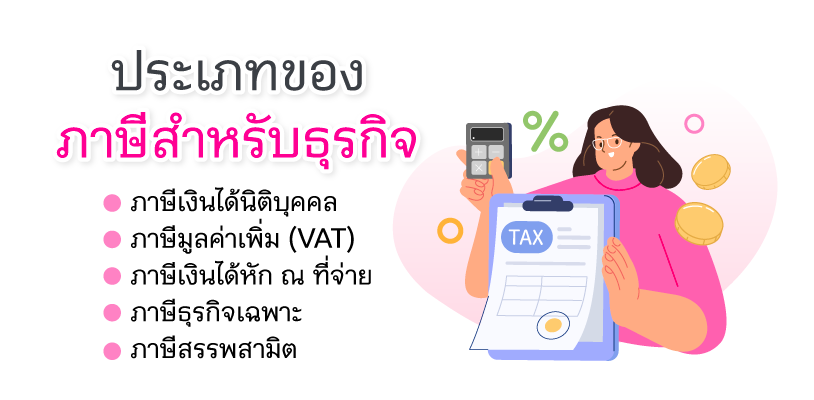
Types of Business Taxes in Thailand
- Corporate Income Tax: Levied on the net profit of companies or registered partnerships.
- Value-Added Tax (VAT): Charged on the sale of goods or services within Thailand.
- Withholding Tax: Deducted at source when payments are made to individuals or businesses.
- Specific Business Tax: Applied to certain industries, such as banking, life insurance, and pawnshops.
- Excise Tax: Collected on specific products such as alcohol, tobacco, and fuel.
.webp?format=webp&width=814&height=1018)
2. Tax Deduction Strategies for Companies
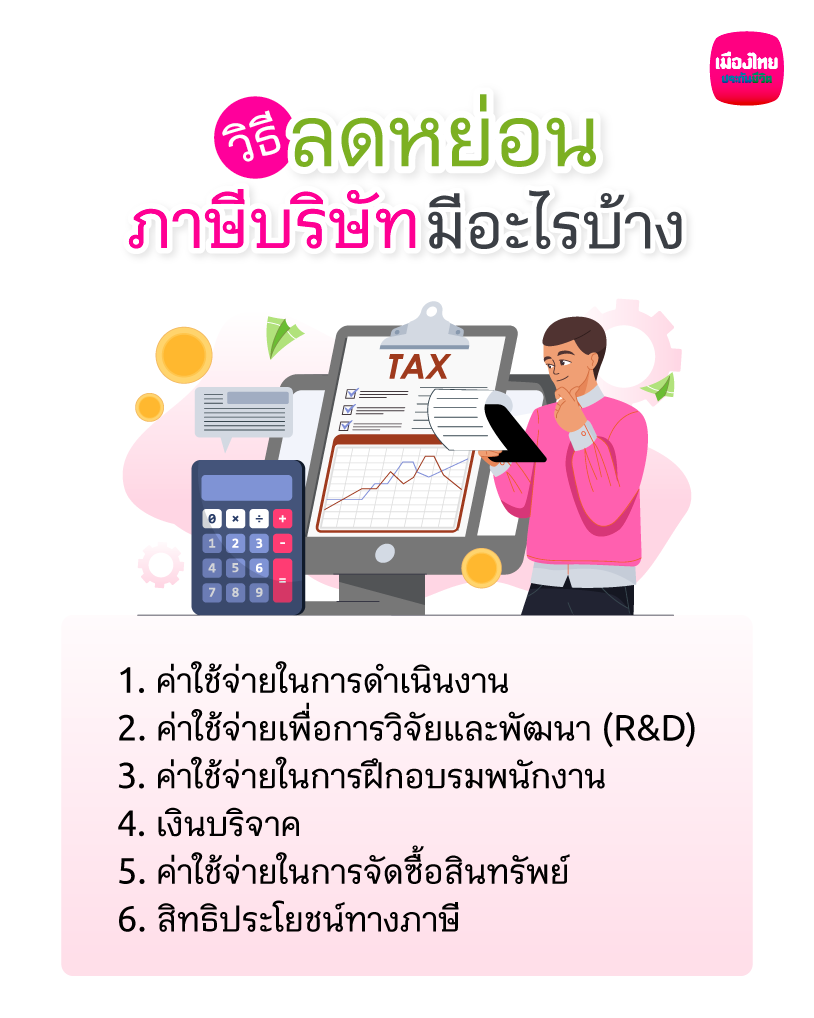
Knowing which expenses can be deducted is vital for business owners, as these deductions lower tax liabilities and help maximize profit. Common deductible expenses include:
1. Operating Expenses
- Rent: Office, warehouse, or equipment rental
- Employee Compensation: Salaries, wages, bonuses, and benefits
- Utilities: Electricity, water, telephone, internet
- Business Travel: Travel expenses for business purposes
- Asset Depreciation: Depreciation of buildings, equipment, machinery
2. Research & Development (R&D) Expenses
- Research staff salaries and wages
- Materials and equipment for R&D
- Product or service testing costs
3. Employee Training Expenses
Seminars, workshops, and professional development courses are deductible.
4. Charitable Donations
Donations to approved local charities or government institutions are deductible.
5. Capital Expenditures
Purchases of machinery, vehicles, or equipment can be deducted over time via depreciation.
6. Government Tax Incentives
The government often introduces tax incentives to encourage investment and hiring. Stay updated to take advantage of these benefits.
.webp?format=webp&width=814&height=400)
3. What Tax Deductions Are Available for SME Corporations?
SME corporations in Thailand receive tax benefits and incentives tailored to ease tax burdens and fuel business growth. Let’s examine the key SME tax privileges available.
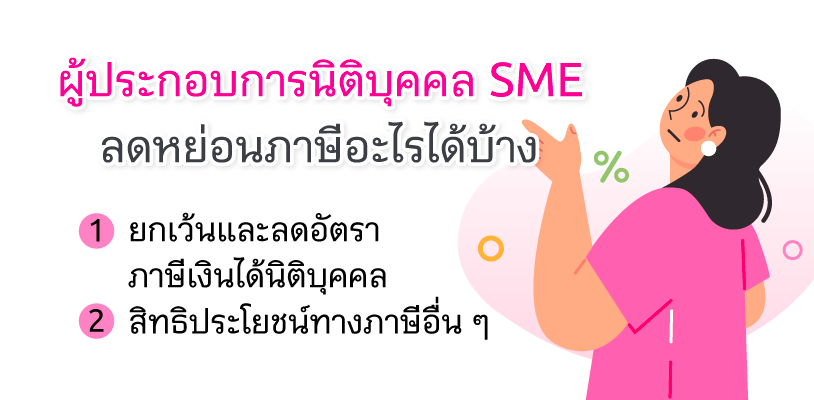
1. Corporate Income Tax Exemptions and Reductions
- Tax exemption: SMEs with paid-up capital ≤ 5 million baht and annual revenue ≤ 30 million baht are exempt on their first 300,000 baht of net profit.
- Reduced tax rates:
- Net profit 300,001 – 3,000,000 baht: 15% tax
- Net profit above 3,000,000 baht: 20% tax
2. Other SME Tax Benefits
- Some expenses deductible at higher rates, e.g. depreciation, R&D.
- Additional relief if participating in government-supported programs.
Conditions
- Eligibility: Must meet SME criteria for capital, revenue, and staff.
- Compliance: SMEs must file corporate tax returns correctly and comply with tax law.
4. How Sole Proprietors Are Taxed
A sole proprietor is considered an individual taxpayer. Taxes are filed under personal income tax.
1. Tax Calculation
- Assessable Income: Business income plus other personal income (salary, interest, dividends).
- Expenses: Rent, salaries, cost of goods, travel, depreciation.
- Allowances: Personal deductions such as allowances for self, children, life insurance premiums.
- Net Income: Income – Expenses – Deductions.
- Tax Rate: Based on progressive personal income tax brackets.
2. Tax Filing
- Form: P.N.D. 90 or 91
- Deadline: Between January – March each year
3. Key Points
- Bookkeeping: Maintain accurate income/expense records.
- Tax Planning: Helps estimate liability and maximize deductions.
- Consult Experts: Seek advice from tax professionals when needed.
4. Example Calculation
- Income: 500,000 THB
- Expenses: 200,000 THB
- Allowances: 60,000 THB
- Net Income = 240,000 THB → Taxed at progressive rates
Additional Information & Offers
Tax deductions are a crucial tool for entrepreneurs to reduce their tax burden and increase profits. Understanding deduction strategies will help you save more. Don’t forget to plan your deductions when filing taxes!
You get double benefits—health coverage plus tax savings—with the Comprehensive Health Insurance Plan from Muang Thai Life Assurance, covering medical expenses from 200,000 to 100,000,000 THB, with premiums deductible up to 25,000 THB.
More Information
☑️ Call 1766 (24/7)
☑️ Contact a licensed life insurance agent
- Please review policy conditions and exclusions before purchasing insurance.
Sources
Retrieved on 24/02/2025
🔖 SCB