


7 Common Respiratory Diseases & Essential Tips for Healthy Lungs
Shortness of breath, a chronic cough, or feeling unusually tired easily? These symptoms may be a warning sign that you are facing "respiratory disease," a group of conditions that affect vital organs used for breathing—including the nose, throat, larynx, bronchial tubes, and lungs.
Every single day, we must inhale air into our bodies, and that air is frequently mixed with airborne dust, PM2.5, and seasonal pathogens. We will introduce you to 7 common respiratory diseases, along with how to recognize their hallmark symptoms and basic preventive guidelines, so you can stay vigilant and keep your lungs strong and healthy at all times.
Key Takeaway
- 7 Common Respiratory Conditions: Covers acute infectious illnesses (Common Cold, Influenza, Bronchitis, Pneumonia, Tuberculosis) alongside chronic conditions (Asthma, Chronic Obstructive Pulmonary Disease - COPD).
- Red-Flag Symptoms: A chronic cough persisting longer than 2 weeks, coughing up blood, wheezing, high sudden fever, or severe labored breathing requires prompt medical evaluation.
- Primary Environmental Threats: Cigarette smoking, secondhand smoke, air pollution (PM2.5), and crowded indoor spaces are primary triggers for acute flares and long-term lung tissue destruction.
- Proactive Defense: Wear N95 masks during high-pollution days, get annual flu and pneumococcal vaccines, maintain hand hygiene, and build diaphragm capacity through regular aerobic exercise.
If the article is too long, you can choose a topic to read:
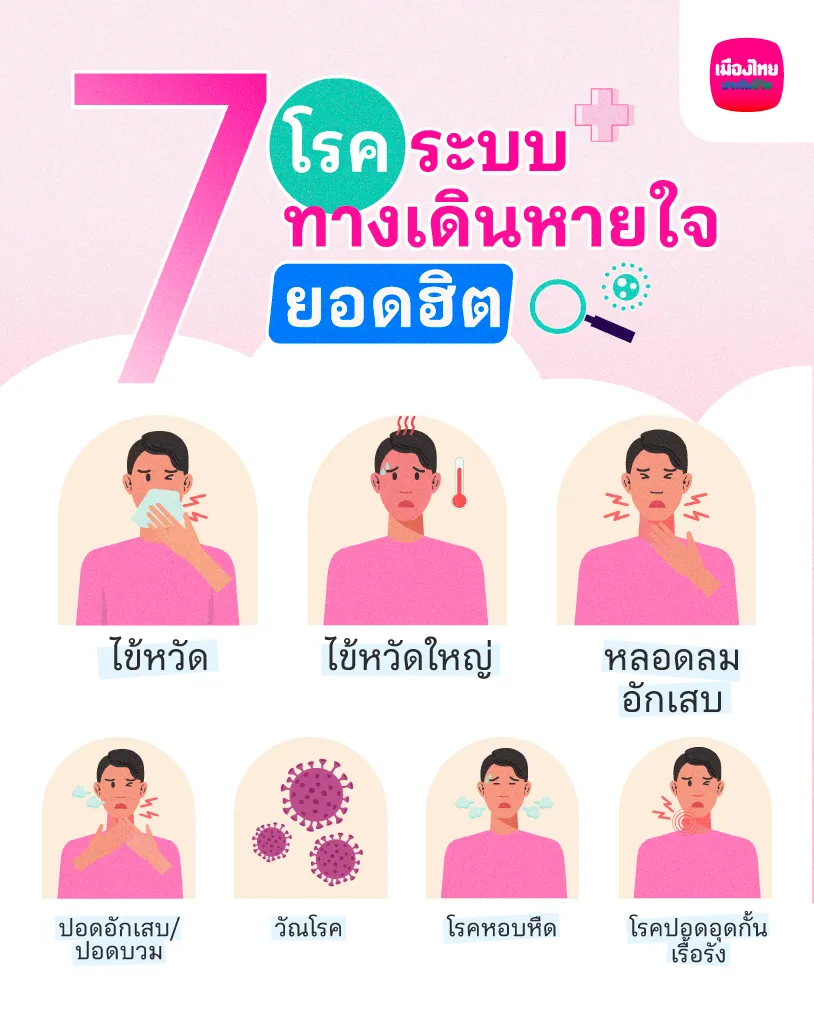
| Condition | Primary Cause | Prominent Symptoms | Severity Level |
|---|---|---|---|
| 1. Common Cold | Various respiratory viruses (Rhinovirus, etc.) | Runny nose, nasal congestion, sore throat, sneezing, mild fever | Mild; usually resolves in 1–2 weeks |
| 2. Influenza | Influenza viruses (Types A, B) | Sudden high fever, severe muscle aches, extreme chills, exhaustion | Moderate to severe; risk of pneumonia complications |
| 3. Bronchitis | Viral/bacterial infection, smoking, airborne irritants | Cough with persistent phlegm, chest discomfort, wheezing | Moderate (Acute / Chronic) |
| 4. Pneumonia | Bacteria (Streptococcus pneumoniae), viruses, or fungi | High fever, chills, thick phlegm, sharp chest pain when breathing | Severe; potentially life-threatening if untreated |
| 5. Tuberculosis (TB) | Mycobacterium tuberculosis bacteria | Cough > 2 weeks, night sweats, afternoon low fever, coughing blood | Severe; requires strict 6-month antibiotic regimen |
| 6. Asthma | Genetic predisposition & triggers (dust, allergens, cold air) | Wheezing, chest tightness, shortness of breath at night or early morning | Chronic; controlled with bronchodilator inhalers |
| 7. COPD | Long-term cigarette smoking and heavy air pollution | Chronic productive cough, exertional breathlessness, bluish fingertips/lips | Chronic and irreversible structural lung damage |
1. Common Cold
The common cold is the most frequently occurring upper respiratory tract infection, caused by many types of viruses. It often spreads during the rainy and cold seasons, or during periods when the weather changes frequently.
- Symptoms: Starts with a sore throat, nasal congestion, a runny nose, coughing, sneezing, headache, and body aches, and there may be a low-grade fever.
- Transmission: Spreads through airborne droplets from coughing and sneezing, or from touching surfaces contaminated with the virus.
- Prevention: Wash hands often, avoid touching the face, avoid close contact with sick individuals, and ensure adequate rest.
2. Influenza
Influenza is also a viral infection of the respiratory system, but it is substantially more severe than the common cold and may cause dangerous complications, especially in high-risk groups such as young children, the elderly, or those with underlying conditions.
- Symptoms: Sudden high fever, chills, severe muscle aches, extreme fatigue, coughing, sore throat, headache, and a runny nose.
- Transmission: Transmitted via respiratory droplets from coughing and sneezing or direct contact with secretions.
- Prevention: Receive an annual influenza vaccination, practice frequent handwashing, wear masks, and avoid crowded spaces during peak outbreaks.
3. Bronchitis
Bronchitis is a condition in which the lining of the bronchial tubes becomes inflamed, swollen, and produces excess mucus, narrowing the airways. It is divided into two primary forms: acute bronchitis and chronic bronchitis.
- Symptoms: Cough with mucus, chest pain, wheezing, shortness of breath, and low-grade fever.
- Cause: Acute bronchitis typically stems from viral or bacterial infections. Chronic bronchitis is predominantly caused by cigarette smoking or prolonged environmental irritant exposure.
- Prevention: Avoid active smoking and secondhand smoke, and wear a certified protective face mask when in polluted or dusty surroundings.
4. Pneumonia
Pneumonia is an acute inflammation of the lung alveoli (air sacs) and surrounding tissue, usually caused by bacterial, viral, or fungal infections. It is a severe condition that can become life-threatening, particularly in immunocompromised patients.
- Symptoms: High fever, severe shaking chills, cough with thick purulent phlegm, sharp chest pain when breathing or coughing, rapid breathing, and weakness.
- Cause: Most commonly caused by bacterial pathogens such as Streptococcus pneumoniae (pneumococcus) or secondary complications from influenza.
- Prevention: Receive influenza and pneumococcal vaccines, maintain hand hygiene, and seek medical care early during respiratory infections.
5. Tuberculosis (TB)
Tuberculosis is a serious bacterial infectious disease caused by Mycobacterium tuberculosis. While it primarily attacks the lungs, it can disseminate to other organ systems and remains a major global public health challenge.
- Symptoms: Chronic cough lasting over 2 weeks, low-grade fever (especially late afternoon/evening), night sweats, unexplained weight loss, fatigue, and coughing up blood (hemoptysis).
- Transmission: Spreads through microscopic airborne droplet nuclei released when an infected person coughs, sneezes, speaks, or sings.
- Prevention: Avoid unventilated close contact with untreated active TB patients, ensure BCG vaccination for infants, and undergo screening if exposed.
6. Asthma
Asthma is a chronic inflammatory disorder of the airways that causes bronchial hyperresponsiveness, airway edema, and bronchospasm. This narrows the air passages, making exhalation and inhalation difficult.
- Symptoms: Wheezing sounds, persistent nocturnal cough, chest tightness, and shortness of breath, particularly pronounced at night or early morning.
- Triggers: Dust mites, pollen, animal dander, cigarette smoke, industrial pollution, strenuous exercise, sudden temperature shifts, or acute stress.
- Prevention: Strictly identify and eliminate environmental triggers, carry prescribed emergency rescue inhalers (bronchodilators), and maintain regular physician follow-ups.
7. Chronic Obstructive Pulmonary Disease (COPD)
Chronic Obstructive Pulmonary Disease (COPD) is a progressive lung disorder characterized by persistent, non-reversible airflow obstruction. It predominantly encompasses chronic bronchitis and emphysema, which frequently coexist as a result of long-term lung parenchyma destruction.
- Symptoms: Chronic cough with persistent sputum, progressive shortness of breath during exertion, wheezing, and in advanced stages, cyanosis (bluish tint to lips or nail beds).
- Cause: Active tobacco smoking is the primary driving factor. Other causes include secondhand smoke, biomass fuel smoke, occupational fumes, and chronic exposure to fine particulate matter.
- Prevention: Cessation of smoking immediately, avoidance of environmental pollutants, wearing certified respiratory protection, and routine spirometry lung function check-ups.
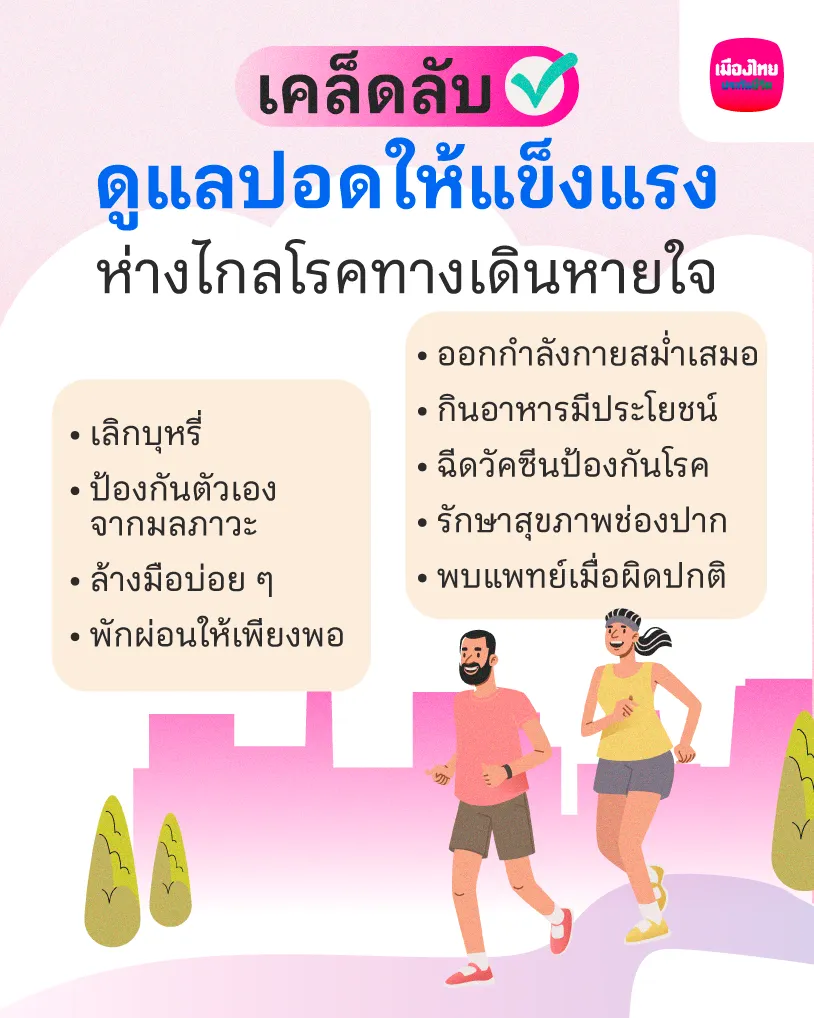
8. Tips to Keep the Lungs Healthy and Away from Respiratory Diseases
The lungs work continuously to deliver vital oxygen to our cells. Protecting your pulmonary health requires consistent daily care through actionable habits:
- Quit Smoking & Shun Secondhand Smoke: Tobacco cessation halts ongoing tissue destruction and significantly cuts the long-term risk of COPD and lung cancer.
- Protect Against Air Pollution & PM2.5: Monitor daily AQI levels, wear fitted N95 respirators outdoors when dust levels spike, and utilize HEPA air purifiers in living spaces.
- Maintain Hand & Respiratory Hygiene: Wash hands thoroughly and mask up in crowded public spaces to interrupt the transmission of infectious aerosols.
- Engage in Regular Aerobic Exercise: Activities such as brisk walking, swimming, and cycling enhance lung capacity and improve respiratory muscle efficiency.
- Eat an Antioxidant-Rich Diet: Consume fresh fruits, cruciferous vegetables, and stay well-hydrated to keep mucus secretions thin and manageable.
- Stay Current on Essential Vaccines: Get vaccinated annually against seasonal influenza and receive pneumococcal vaccines if in high-risk categories.
- Seek Early Medical Evaluation: Never dismiss a persistent cough or progressive breathlessness; consult a pulmonologist promptly for proper diagnosis.
The respiratory system is essential to life. Understanding common respiratory conditions, tracking their warning signs, and adopting preventive measures empowers you to maintain optimal lung function and vitality.
Because we never know when critical illnesses might occur, preparing advance financial protection safeguards your savings against heavy medical costs during unexpected hospitalizations.
Because we never know when we might fall ill, or when a Critical Illness may strike, preparing in advance for health and treatment costs in times of illness is of paramount importance. With Lump-Sum Health Insurance from Muang Thai Life Assurance to help cover medical expenses from 200,000 to 100 million Baht, you can access quality treatment without worrying about finances.
For more information:
☑️ Call Tel. 1766, available 24/7 every day.
☑️ Contact a Muang Thai Life Assurance agent or your service branch.
- Please study the details of coverage, conditions, and exclusions before making a decision to purchase insurance.