


รู้จักช็อกโกแลตซีสต์ ปวดท้อUnderstanding Chocolate Cysts Monthly Abdominal Pain Is Not Normalงทุกเดือน ไม่ใช่เรื่องปกติ
Have you ever experienced severe menstrual cramps, chronic abdominal pain, or struggled with infertility? These symptoms could be warning signs of a chocolate cyst, a condition every woman should be aware of. Even though many may have heard of chocolate cysts, they might not fully understand whether it’s the real cause of their abdominal pain. If diagnosed, is surgery the only solution? Can chocolate cysts heal on their own? Most importantly, can you still apply for cancer insurance after undergoing cyst surgery? If you’re concerned about medical expenses, let’s find the answers together!
Too long? Jump to the section you’re interested in
1. What is a chocolate cyst, and is it dangerous?
2. What are the early symptoms of a chocolate cyst?
3. How is a chocolate cyst treated?
4. Can I apply for cancer insurance after cyst surgery?
1. What is a chocolate cyst, and is it dangerous?
A chocolate cyst, or endometriotic cyst, is a condition caused by endometrial tissue growing outside the uterus, such as on the ovaries, fallopian tubes, or pelvic area. This can lead to inflammation and the formation of tissue similar to normal endometrial lining.
During menstruation, this misplaced tissue sheds and bleeds like the normal endometrial lining. However, since it has no way to exit the body, the blood accumulates, forming small cysts. Over time, the trapped blood turns dark brown, resembling chocolate, which is where the name "chocolate cyst" comes from.
At-Risk Groups for Chocolate Cysts
Chocolate cysts are commonly found in women of reproductive age, especially those aged between 25–40 years. While the exact cause remains unknown, several factors may increase the risk of developing this condition
- Early menstruation – Women who start menstruating at a young age have a higher chance of developing chocolate cysts.
- Frequent menstrual cycles – Those with cycles shorter than 27 days are at higher risk.
- Heavy menstrual flow – Women who experience heavy periods or prolonged bleeding are more susceptible.
- Late menopause – Entering menopause later than usual prolongs exposure to estrogen, increasing the risk.
- Family history – If a mother, sister, or close relative has had chocolate cysts, the chances of developing them are higher.
- Reproductive tract abnormalities – Conditions such as an imperforate hymen or cervical abnormalities can contribute to the risk.
- Weakened immune system – Individuals with compromised immunity are more prone to chronic inflammation, which may be associated with chocolate cysts.
Are Chocolate Cysts Dangerous?
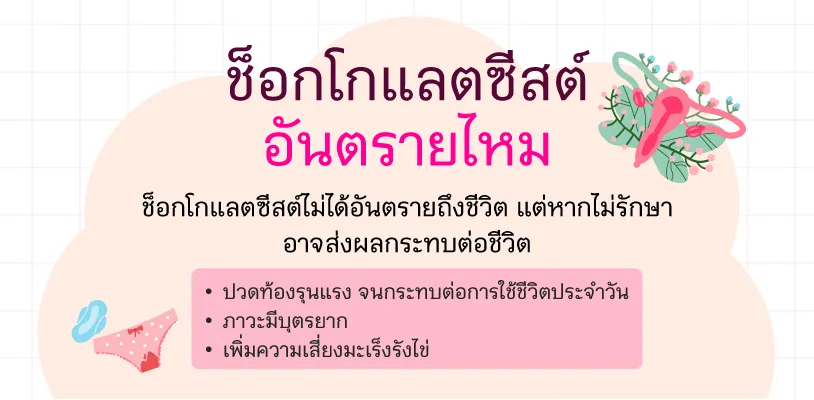
In general, chocolate cysts are not life-threatening. However, if left untreated, they can significantly affect quality of life in the following ways:
- Severe abdominal pain – Pain may become intense enough to interfere with daily activities.
- Infertility – Chocolate cysts can block the fallopian tubes, preventing the sperm and egg from meeting.
- Increased risk of ovarian cancer – Although rare, there is a possibility of developing a specific type of ovarian cancer linked to chocolate cysts.

2. What are the early symptoms of a chocolate cyst?
In the early stages, chocolate cyst symptoms may be mild or resemble common menstrual cramps. However, as the condition worsens, the symptoms become more noticeable and often include:
- Severe menstrual cramps – The most common symptom, which can significantly impact daily life.
- Chronic abdominal pain – Persistent discomfort or pain in the abdomen.
- Pain during intercourse – The pain may worsen during sexual activity.
- Abnormal bleeding – This can include bleeding between periods or after menopause.
- Constipation or diarrhea
- Frequent urination
- Lower back pain
- Fatigue
- Infertility
- Palpable lump – Some individuals may feel a small lump in the lower abdomen.
- Radiating back pain – The pain may spread to the back or shoulder blades.
Can Chocolate Cysts Heal on Their Own?
Chocolate cysts cannot heal on their own. If left untreated, the symptoms, including abdominal pain and other complications, can worsen over time. Chocolate cysts are caused by endometrial tissue growing outside the uterus, which is a pathological process the body cannot resolve naturally. These cysts tend to grow larger and may even rupture, causing severe inflammation and pain. In addition, untreated cysts can press on surrounding organs, leading to further health issues such as infertility.

3. Treatment of Chocolate Cysts
The treatment for chocolate cysts depends on various factors, such as the size of the cyst, symptoms, age, and the patient's desire to have children in the future. The doctor will select the most suitable treatment for each individual. Generally, the treatment of chocolate cysts is divided into two main methods:
1. Medication
- Hormonal contraceptives: Combined oral contraceptives help reduce estrogen production, which is one of the causes of endometrial tissue growing outside the uterus. This can shrink the cyst and reduce abdominal pain.
- Other medications: The doctor may consider prescribing other drugs, such as anti-inflammatory medication or progesterone-based drugs, to help reduce pain and inflammation.
2. Surgery
- Laparoscopic Surgery: This is a commonly used procedure for treating chocolate cysts due to its minimal incision, faster recovery time, and lower risk compared to open surgery. The surgeon inserts medical instruments into the abdominal cavity to remove the cyst and endometrial tissue.
- Open Surgery: In cases where the cyst is large or there are complications, the doctor may need to perform open surgery.
How to take care of yourself after chocolate cyst treatment
Whether treated with medication or surgery, proper self-care is crucial for a fast recovery and to reduce the risk of recurrence.
- Get enough rest: Adequate rest allows the body to heal.
- Eat a nutritious diet: Focus on fiber-rich foods, vegetables, fruits, and protein to boost the immune system.
- Avoid spicy foods: Spicy foods may trigger abdominal pain.
- Engage in light exercise: Once the wound has healed, light activities such as walking or yoga can help improve blood circulation.
- Avoid heavy lifting: Refrain from lifting heavy objects, especially in the early post-surgery phase.
- Attend follow-up appointments: Regular check-ups are essential to monitor recovery and detect any complications.
4. Can I apply for cancer insurance after cyst surgery?
Having had a cyst removed does not necessarily mean you cannot get cancer insurance. However, each insurance provider has different criteria based on various factors, such as:
- Type of cyst: Different cysts have varying risks of turning cancerous. For example, sebaceous cysts are generally harmless, while chocolate cysts may increase the risk of a type of ovarian cancer.
- Size and location of the cyst: Larger cysts or those in concerning locations may affect the insurer’s decision.
- Pathology test results: The results of the biopsy from the removed cyst are crucial in assessing risk.
- Time elapsed since surgery: Some insurance companies may approve coverage if a significant amount of time has passed since the surgery with no recurrence.
For more information on cancer risks, check out these articles:
While there is no known way to completely prevent chocolate cysts, maintaining good health through a nutritious diet, regular exercise, and routine health check-ups can help reduce the risk. If you're concerned about medical expenses, Muang Thai Life Assurance offers health insurance covering treatment costs from 200,000 to 100 million Baht, ensuring peace of mind if illness occurs.
For more information:
☑️ Call Tel. 1766, available 24/7.
☑️ Contact a life insurance agent.
- Please study the details of coverage, conditions, and exclusions before making a decision to purchase insurance.
Source: Retrieved on 15/01/25
🔖 Faculty of Medicine Ramathibodi Hospital