


How to Relieve Bloating and Excess Gas: Simple Habits to Prevent Acid Reflux
How to Relieve Bloating and Stomach Gas Naturally – Lifestyle Tips to Prevent Acid Reflux
Most people have experienced abdominal pain or discomfort caused by gas in the stomach. While bloating and excess gas are usually harmless, they can be uncomfortable and disruptive to daily life. However, if these symptoms occur frequently or become severe, they may indicate underlying health issues that should not be ignored.
This article will help you understand the causes of stomach gas and bloating, practical ways to relieve bloating at home, and warning signs that may require medical attention.
You can skip to the section that interests you:
1. Causes of stomach gas, bloating, and indigestion
2. Simple ways to relieve bloating and reduce excess gas
3. When bloating and gas may be a sign of a serious condition

1. Causes of Stomach Gas and Bloating
Bloating and stomach gas result from the presence of excess air or digestive gases in the stomach and intestines. The body releases them through belching or passing wind. Common causes include:
Swallowing Air (Aerophagia)
Air can be swallowed while eating, drinking, chewing gum, or smoking. Usually, this is normal—however, swallowing excessive air may cause discomfort and a stronger urge to release trapped gas.
Incomplete Digestion
Eating too quickly or consuming foods that the body struggles to digest can lead to bloating. When sugars, starches, or fiber are not fully absorbed in the small intestine, they pass into the large intestine where bacteria break them down, producing gas.
Chronic Health Conditions
Individuals with chronic illnesses such as thyroid disorders, diabetes may experience indigestion and bloating as side effects of the condition or related intestinal dysfunction.
Certain Medications
Some medicines—such as sedatives, anti-anxiety drugs, or certain antibiotics—may irritate the stomach lining and cause bloating. Always follow your doctor’s instructions carefully when taking these medications.
2. How to Relieve Bloating and Reduce Excess Gas
If you often feel bloated or experience gas in your stomach, try these self-care methods to help ease discomfort:
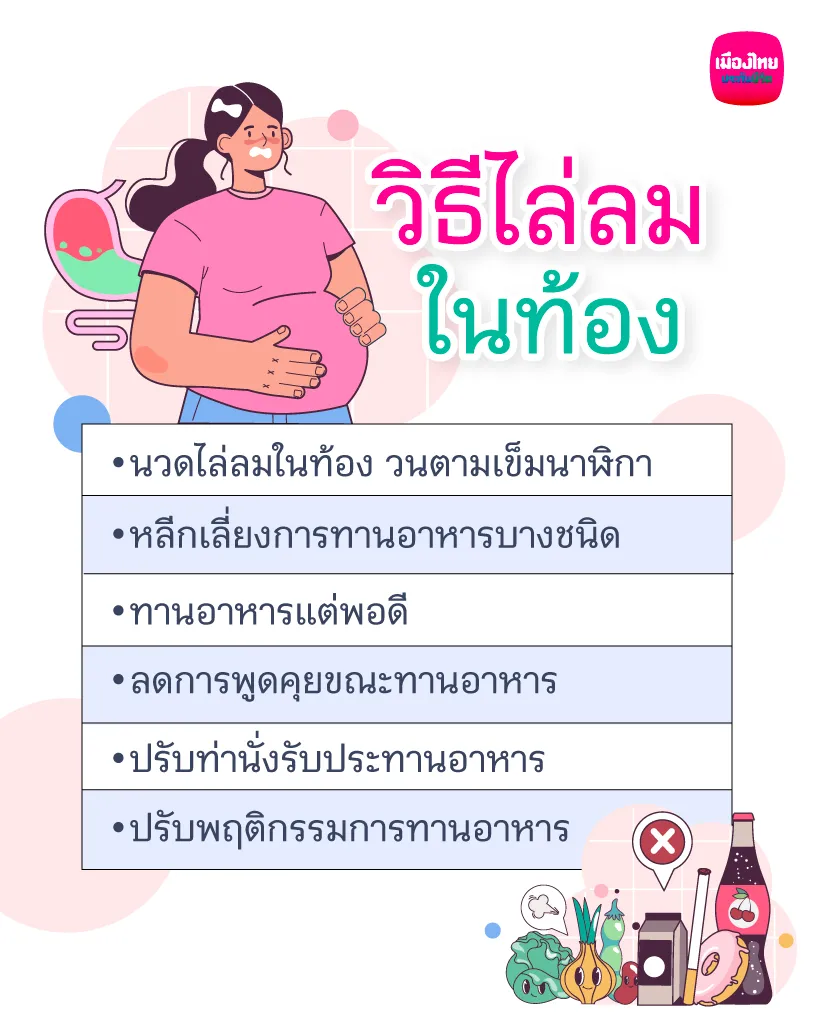
Abdominal Massage
Gently massage your abdomen in a clockwise circular motion—start from the pelvic bone, move toward the ribcage, then around the navel. Continue slowly for about 5–10 minutes to stimulate digestion and help release trapped gas.
Avoid Certain Trigger Foods
Limit high-fat foods, beans, cruciferous vegetables (e.g., cabbage, broccoli), alcohol, coffee/tea, and junk foods, as these may increase stomach acid and gas production.
Eat Moderately and Chew Thoroughly
Overeating or eating too quickly can overwhelm the digestive system and cause bloating. Heavy evening meals can also disrupt sleep and increase the risk of nighttime acid reflux.
Reduce Talking While Eating
Talking during meals can lead to swallowing more air, which may cause bloating later. Chew and swallow first, then speak—this also lowers the risk of choking.
Maintain Proper Sitting Posture While Eating
Sit with a straight back and avoid slouching during meals. After eating, wait at least 30 minutes before lying down to reduce the risk of acid reflux.
Adopt Healthier Eating Habits
Frequent bloating often accompanies habits like late-night meals, heavy partying, or frequent junk food. Shift toward nutrient-dense, high-fiber meals, reduce alcohol intake, and avoid late-night eating to lower the risks of bloating and acid reflux.
3. When Bloating and Excess Gas Could Be a Warning Sign
Quick remedies can help, but watch for unusual symptoms that may indicate more serious conditions. Early recognition helps you seek timely medical care.
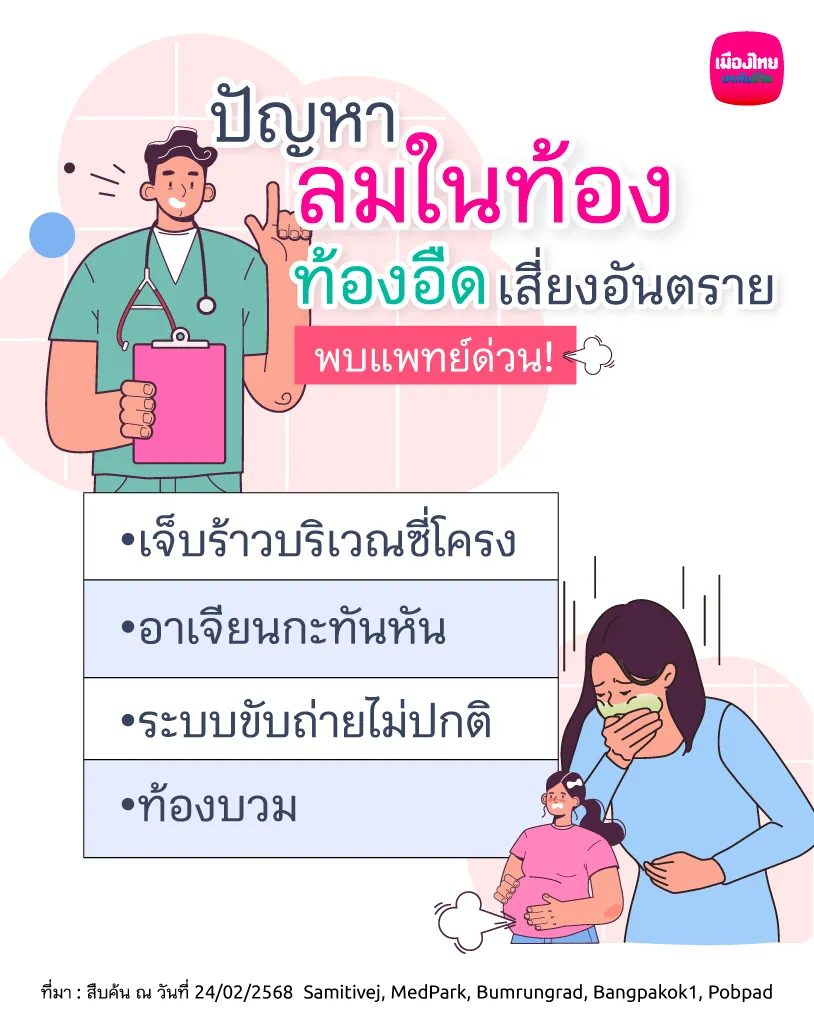
Pain Around the Ribcage
If belching relieves gas but you feel sharp pain around the rib cage or abdomen, this may signal an internal issue. If the pain recurs or intensifies, consult a doctor promptly.
Vomiting
Bloating followed by sudden, uncontrollable vomiting may point to intestinal problems interfering with digestion—such as colitis, intestinal infection, or even colon cancer.
Irregular Bowel Movements
Persistent issues—frequent burping/flatulence, recurring diarrhea, incomplete evacuation, or constipation—may suggest irritable bowel syndrome (IBS) or food intolerances.
Abdominal Swelling
If your abdomen remains swollen even after gas-relief techniques, it could be undigested food or ongoing bloating. While often mild, swelling with vomiting warrants medical evaluation.
Improving your eating and lifestyle habits is key to reducing the risks of acid reflux, bloating, excess gas, and other digestive concerns. With consistent adjustments—and by learning the proper ways to release trapped gas—you can prevent reflux and improve overall health.
Along with healthy habits, consider extra protection with comprehensive health insurance—a helpful safety net so you can live fully and enjoy daily activities with confidence.
Learn More
☑️ Call 1766 (available 24/7)
☑️ Contact a licensed insurance agent
Please review the policy details, terms, and exclusions carefully before making a decision.
Sources (Accessed on 24/02/2025)
🔖 Samitivej
🔖 MedPark
🔖 Bumrungrad
🔖 Bangpakok1
🔖 Pobpad