


Stomach Discomfort Could Be a Warning Sign of Stomach Cancer!
Stomach cancer is a disease that often shows no symptoms in its early stages. Many people mistake the initial signs for common digestive issues. Early warning symptoms, such as stomach rumbling, heartburn, or back pain, are frequently overlooked. Unfortunately, this means the disease is often diagnosed only when it has already advanced and spread to nearby organs.
Recognizing the warning signs early and maintaining regular health checkups are crucial for prevention and timely treatment. Below, we outline the main causes, symptoms, treatment options, and lifestyle tips to help reduce your risk of stomach cancer.
1. What Causes Stomach Cancer?
2. How to Recognize the Symptoms of Stomach Cancer
3. Treatment Options for Stomach Cancer
4. How to Stay Healthy and Prevent Stomach Cancer

1. What Causes Stomach Cancer?
Stomach cancer occurs when the cells lining the stomach grow uncontrollably and form malignant tumors, which can eventually spread to nearby organs. Several factors increase the risk of developing stomach cancer, including:
- Age – The risk rises significantly with age.
- Gender – Men are about twice as likely to develop stomach cancer as women.
- H. pylori infection – This common bacterial infection is a leading cause of stomach ulcers and a major risk factor for stomach cancer.
- Dietary habits – Consuming salty foods, pickled or fermented dishes, smoked foods, charred grilled meat, and high-salt diets increase cancer risk.
- Lifestyle choices – Smoking, excessive alcohol consumption, and obesity are strongly linked to higher stomach cancer risk.
- Genetics – A family history of stomach cancer increases the likelihood of developing the disease.
- Chronic conditions – Long-term illnesses, such as chronic gastritis or pernicious anemia, may also increase the risk.
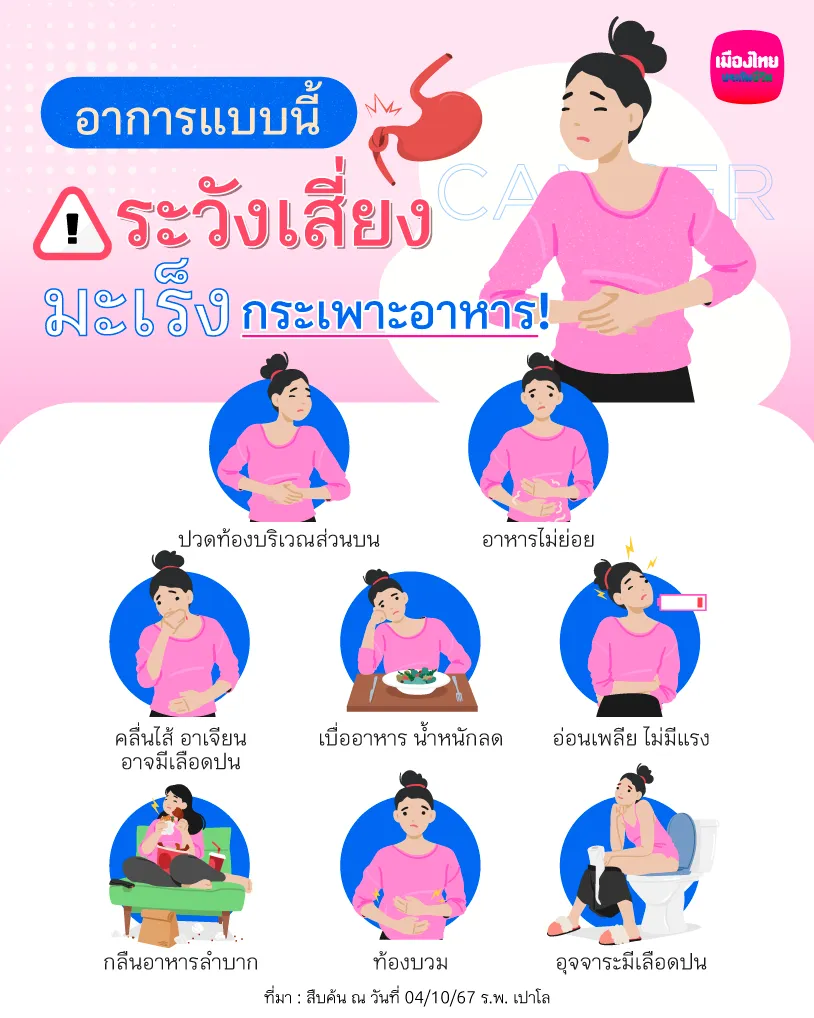
2. How to Recognize the Symptoms of Stomach Cancer
Early stomach cancer symptoms are often vague or mimic common digestive problems, making them easy to ignore. Being aware of persistent or unusual signs can lead to earlier detection and better treatment outcomes.
Common early symptoms include:
- Upper abdominal pain or discomfort
- Indigestion, feeling full quickly, or bloating
- Nausea and occasional vomiting
- Loss of appetite
- Unexplained weight loss
- Fatigue or low energy
Advanced symptoms may include:
- Vomiting blood or passing black, tarry stools (from internal bleeding)
- Difficulty swallowing, caused by tumor blockage
- Detectable lump in the abdomen
- Abdominal swelling due to fluid buildup
3. Treatment Options for Stomach Cancer
Treatment depends on several factors, such as the stage of cancer, tumor size and location, overall health, and the type of stomach cancer. Doctors usually recommend a tailored treatment plan that may include:
- Surgery – The primary treatment, involving the removal of the affected part of the stomach.
- Chemotherapy – Uses drugs to destroy cancer cells and prevent further spread.
- Radiation therapy – High-energy rays target and kill cancer cells.
- Targeted therapy & immunotherapy – Advanced treatments that boost the immune system or use antibody drugs to fight cancer.
Key factors influencing treatment decisions:
- Stage of the disease – Early stages may be managed with surgery alone, while advanced stages often require combination treatments.
- Overall health – Patients in good health tolerate treatments better than those with other underlying conditions.
- Cancer type – Different subtypes of stomach cancer may respond differently to treatment.
How to Lower Your Risk of Stomach Cancer
While not all cases can be prevented, adopting a healthy lifestyle can significantly reduce your risk of developing certain conditions. Here are some practical steps:
- Eat a balanced diet rich in fruits, vegetables, and whole grains.
- Limit salty, smoked, and processed foods.
- Avoid smoking and reduce alcohol intake.
- Maintain a healthy weight through regular exercise.
- Get screened if you have a family history of stomach cancer or chronic stomach conditions.

4. How to Stay Healthy and Prevent Stomach Cancer
Taking care of your health to prevent stomach cancer is essential, as prevention is always better than a cure. Here are some practical tips:
Diet & Nutrition
- Eat more fruits and vegetables: Include a variety of colorful fruits and vegetables in your daily meals to provide your body with essential vitamins and minerals.
- Choose whole grains: Opt for brown rice, oats, or high-fiber cereals to support healthy digestion and lower the risk of cancer.
- Limit processed foods: Reduce intake of processed foods, pickled items, smoked meats, and charred grilled dishes.
- Reduce your salt intake: Limit your consumption of foods high in sodium, such as canned goods and instant meals.
- Drink clean water: Stay hydrated with at least 8 glasses of water per day.
- Eat on time: Regular mealtimes help your digestive system work more efficiently.
Habits to Avoid
- Quit smoking: Smoking is a major risk factor for many cancers, including stomach cancer.
- Limit alcohol: Excessive alcohol consumption harms your health and increases cancer risk.
- Maintain a healthy weight: Obesity is a significant risk factor for various diseases, including stomach cancer.
General Health Practices
- Exercise regularly: Physical activity strengthens the body and lowers the risk of chronic diseases.
- Get enough sleep: Adequate rest allows the body to repair and recover.
- Manage stress: Chronic stress can weaken your health and increase your vulnerability to illness.
- Schedule regular checkups: Routine health screenings help detect abnormalities early, when treatment is most effective.
Stomach cancer is a serious disease, but when detected early and treated promptly, recovery chances are high. Maintaining a healthy lifestyle and undergoing regular checkups are key to prevention.
To protect your health and avoid high medical costs, choose Care Plus Insurance designed to cover cancer and chronic kidney disease with up to THB 5 million coverage per illness per year at less than *THB 12 per day. Coverage includes both IPD and OPD, access to modern treatments, and advanced diagnostic procedures such as MRI, CT Scan, and PET Scan. Treatment options include:
- Targeted Therapy
- Immunotherapy
- Stem Cell Transplant
- Chronic Kidney Disease treatments: Peritoneal dialysis, high-efficiency dialysis, and kidney transplant
Eligibility: Apply up to age 80, with coverage until age 99.
More Information
☑️ Call 1766, available 24/7
☑️ Contact Muang Thai Life Assurance agents or visit Kasikorn Bank and Land & Houses Bank branches nationwide
*Premium sample: Male, age 40, annual premium for cancer and chronic kidney disease coverage plan of THB 5 million.
- Medical service benefits are paid in accordance with company guidelines.
- Coverage under this rider must not exceed the term of the main life insurance policy.
- Premiums are tax-deductible, subject to the regulations of the Revenue Department.
- Underwriting is based on company criteria.
- Please review coverage details, conditions, and exclusions before purchasing.
Source (accessed 04/10/2024):
🔖 Bangpakok 9 International Hospital