

16 Dangerous Rainy Season Diseases and How to Protect Yourself
16 Dangerous Rainy Season Diseases and How to Protect Yourself
Every year, when the rainy season arrives, Thais face a worrying rise in diseases that come with the season. It’s no coincidence that hospitals become overcrowded during this time — the changing weather creates the perfect breeding ground for harmful germs and pathogens waiting to attack our bodies.
Rainy season illnesses aren’t just the common cold. They include serious, potentially fatal diseases — from dengue fever, which sees more cases every year, to leptospirosis, often linked to flooding. Knowing about these diseases and the right prevention methods is your most important shield to protect the health of you and your family.
Today, we’ll reveal 16 dangerous rainy season diseases and the 100% effective prevention tips recommended by the Department of Disease Control, so you can get through the season safely.
Too long? Skip to the section you want to read:
- Why the rainy season is the peak of illness — the reasons you should know
- 16 dangerous rainy season diseases, categorized into 5 risk groups by the Department of Disease Control
- Warning signs of each disease — detect them before it’s too late
- High-risk groups — who needs to be extra careful in the rainy season
- Targeted prevention for respiratory diseases
- Targeted prevention for mosquito-borne diseases
- Targeted prevention for water- and food-borne diseases
- Targeted prevention for leptospirosis and flood-related diseases
- Must-have essentials to prevent rainy season illnesses
- When to see a doctor — dangerous warning signs
- Stay fully protected and disease-free with health insurance

Why the rainy season is the peak of illness — the reasons you should know
The surge in rainy season diseases is no coincidence. There are clear scientific reasons behind it — some you may have never heard before.
Changes in Weather and Humidity
This is the most important factor. When humidity levels rise to 70–90%, germs can survive and spread more easily. Viruses and bacteria that would die quickly in dry conditions can survive much longer in humid air.
Faster Growth and Spread of Germs
This is especially true for Aedes aegypti mosquitoes, Anopheles mosquitoes, and other disease-carrying insects that prefer to lay eggs in stagnant water. Rainwater collected in containers becomes the perfect breeding ground, causing mosquito populations to rise rapidly.
Lowered Immunity
Fluctuations in temperature and humidity force the body to constantly adapt, reducing the immune system’s efficiency. Wearing damp clothes or frequent body temperature changes can further weaken your immunity.
Floodwaters as a Breeding Ground for Dangerous Pathogens
Stagnant dirty water is full of harmful bacteria and pathogens. When people wade through floodwaters, these germs can easily enter the body.
Poor Indoor Ventilation
Poor airflow allows germs to accumulate and spread more easily. People in crowded spaces are at a higher risk of catching illnesses from one another.
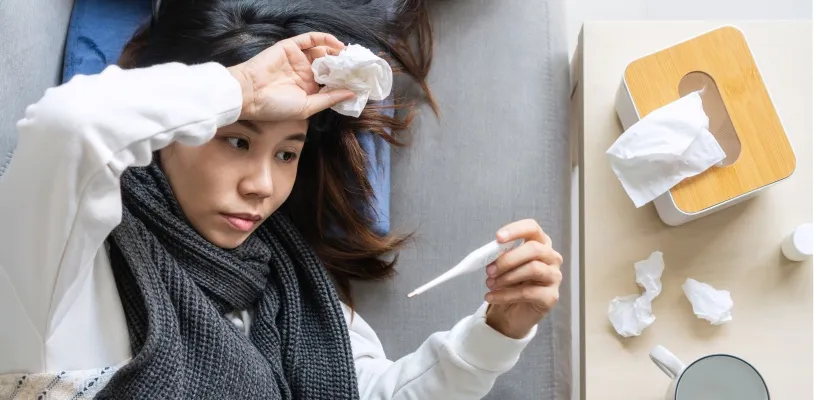
16 dangerous rainy season diseases, categorized into 5 risk groups by the Department of Disease Control
The Department of Disease Control has classified rainy season diseases into 5 main groups to ensure more effective prevention and treatment.
Group 1: Respiratory Diseases
These are the most common rainy season illnesses, as changes in temperature and humidity directly affect the respiratory system.
- Common Cold – Caused by various viruses, symptoms include runny nose, sneezing, itchy throat, and mild fever. While not usually serious, complications can develop if left untreated.
- Influenza – More dangerous than the common cold, with symptoms such as sudden high fever, severe muscle pain, headache, and extreme fatigue. Can lead to serious complications.
- Conjunctivitis / “Pink Eye” – Often spreads during the rainy season, causing red, itchy eyes with yellow discharge. Highly contagious through direct contact.
- Pneumonia and Bronchitis – Caused by bacteria or viruses, symptoms include difficulty breathing, productive cough, chest pain, and high fever.
Group 2: Water- and Food-Borne Diseases
These can be particularly dangerous in the rainy season as water and food are more easily contaminated.
- Acute Diarrhea – Caused by viruses or bacteria, symptoms include frequent watery stools, nausea, vomiting, and abdominal pain. Severe cases may cause dehydration.
- Dysentery – Caused by Shigella bacteria, symptoms include loose stools mixed with blood and mucus, severe abdominal pain, and high fever. Dangerous if untreated.
- Typhoid – Caused by Salmonella typhi, symptoms include prolonged high fever, headache, constipation or diarrhea, and sometimes a red rash on the body.
- Food Poisoning – Caused by spoiled or unhygienically prepared food, symptoms include nausea, vomiting, and diarrhea within 2–6 hours after eating.
- Hepatitis A – Caused by a virus from contaminated food or water, symptoms include loss of appetite, nausea, jaundice, and dark-colored urine.
Group 3: Mosquito-Borne Diseases
These are among the most dangerous rainy season illnesses because mosquito populations increase sharply during this period.
- Dengue Fever – Claims many Thai lives each year. Symptoms include sudden high fever, severe body aches, red eyes, red rash, and possible bleeding from various organs.
- Japanese Encephalitis (JE) – Affects the brain, with symptoms such as high fever, severe headache, seizures, unconsciousness, and possible permanent disability.
- Malaria – Less common in urban areas but still dangerous in border regions. Symptoms include high fever, chills, and excessive sweating.
Group 4: Wound- and Skin-Related Infections
- Leptospirosis – Caused by contact with floodwater contaminated by rat urine. Symptoms include high fever, headache, yellowish eyes, muscle pain, and can be fatal if untreated.
- Skin Diseases and Fungal Infections – Caused by high humidity, leading to rashes, itching, peeling, and unpleasant odor, especially in skin folds.
- Athlete’s Foot – Caused by fungal infection on the feet, with symptoms such as itching, peeling, bad odor, and wounds between the toes.
Group 5: Diseases Common in Children
- Hand, Foot, and Mouth Disease (HFMD) – Caused by the Coxsackie virus, symptoms include fever, mouth ulcers, and fluid-filled blisters on the hands and feet. Easily spreads among young children.
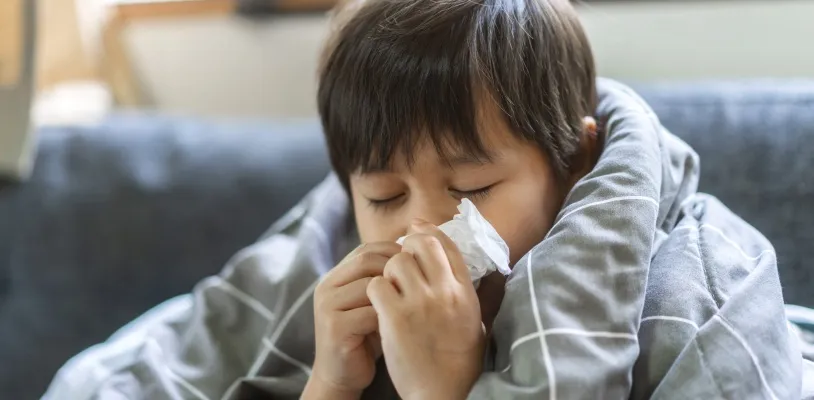
Warning signs of each disease — detect them before it’s too late
Recognizing the warning signs of each rainy season disease can help ensure timely treatment and prevent dangerous complications.
- Dengue Fever – Key warning signs include sudden high fever over 38.5°C lasting 2–7 consecutive days, severe muscle and bone pain, red eyes, pain behind the eyes, red rash on the body, nausea, and vomiting. If you notice bleeding gums, nosebleeds, or small red spots under the skin, seek medical attention immediately.
- Influenza – Unlike the common cold, influenza comes with high fever over 38°C along with severe, full-body muscle aches, intense headache (feeling like being run over by a truck), extreme fatigue, dry cough, and sore throat. Runny nose may or may not be present.
- Leptospirosis – Early symptoms resemble influenza but with distinctive signs such as sudden high fever, severe headache, red and possibly yellowish eyes, and muscle pain (especially in the legs). A red rash on the body may also occur. In later stages, jaundice, reduced urination, or kidney failure may develop.
- Diarrhea / Dysentery – Watch out for passing loose stools more than 3 times a day, especially if the stools contain blood or mucus, have an unusually foul odor, are accompanied by severe abdominal pain, high fever, or vomiting. Signs of dehydration — such as dry mouth, sunken eyes, and reduced urination — require immediate medical attention.
Hand, Foot, and Mouth Disease (HFMD) – Begins with mild fever, followed by small sores inside the mouth, on the tongue, and gums, causing children to refuse food. Within 1–2 days, small fluid-filled blisters appear on the palms, soles, and sometimes the buttocks. Affected children may be irritable and
Danger Signs — When to Seek Immediate Medical Attention
Seek urgent medical care if you notice any of the following: fever above 39°C, fever that doesn’t subside for more than 3 days, difficulty or rapid breathing, seizures, unconsciousness, abnormal bleeding, jaundice (yellow skin or eyes), or little to no urination.

High-risk groups — who needs to be extra careful in the rainy season
Knowing whether you belong to a high-risk group helps you prepare and protect yourself more effectively.
- Young children under 5 years old – Their immune systems are still developing. They often play with dirty objects and put their hands in their mouths, making them highly vulnerable to infections, especially hand, foot, and mouth disease, dengue fever, and diarrhea.
- Older adults over 65 years old – Their immunity naturally decreases with age, recovery is slower, and many have underlying health conditions, increasing the risk of severe complications.
- People with weakened immune systems – Such as cancer patients undergoing chemotherapy, people with HIV/AIDS, or those taking immunosuppressant medications. They are more susceptible to infections and may experience more severe symptoms.
- People with chronic diseases – Such as diabetes, hypertension, heart disease, and kidney disease. They are prone to complications, and rainy season illnesses may worsen their existing conditions.
- Pregnant women – Pregnancy alters immune function, increasing susceptibility to infections. Certain diseases can also affect the unborn baby.
- Outdoor workers or those exposed to floodwaters – Such as rescue workers, construction workers, and farmers, who have more frequent contact with disease-causing agents than the general population.

10 Proven Ways to Prevent Rainy Season Illnesses
The best prevention is to follow proven methods to protect yourself from rainy-season diseases.
Wash your hands frequently with soap or alcohol-based hand sanitizer
This is the most important step. Wash your hands before eating, after using the toilet, and after touching dirty objects. Wash for at least 20 seconds, or use a hand sanitizer with at least 70% alcohol content.
Eat freshly cooked, clean food and use serving spoons
Avoid raw food, raw vegetables, food left sitting for a long time, and food from street stalls. Choose trustworthy and hygienic eateries.
Drink clean, safe water
Avoid ice from unreliable sources, unboiled tap water, and water from natural sources.
Exercise regularly to strengthen your immune system
Engage in light indoor exercises, get enough sleep, and eat a balanced diet with all five food groups, focusing on vitamin C-rich fruits and vegetables.
Avoid getting caught in the rain or wading through floodwaters
If you must go out in the rain, wear a raincoat, change clothes immediately after getting wet, and take a warm shower to maintain body temperature.
Prevent mosquito bites by covering up and using repellents
Wear long-sleeved shirts and long pants, especially in the early morning and evening. Use mosquito-repellent creams, sprays, or electric mosquito repellents.
Keep your home well-ventilated and free from dampness
Use fans or dehumidifiers. Avoid keeping doors and windows shut all the time—allow fresh air to circulate.
Maintain body temperature and avoid getting too cold
Wear appropriate clothing, drink warm water, and avoid staying in overly cold air-conditioned rooms.
Change clothes immediately after getting wet
Do not stay in wet clothes for long periods, as this lowers your body temperature and increases the risk of illness.
Avoid crowded places during outbreaks
Stay away from shopping malls, cinemas, and large gatherings. If you must go, wear a face mask.
Targeted prevention for respiratory diseases
For respiratory diseases, targeted prevention can effectively reduce the risk.
- Wear a face mask in crowded places, especially in hospitals, shopping malls, and on public transportation. Choose masks that meet standards and provide good particle filtration.
- Avoid close contact with people who are coughing or sneezing. Keep at least 1 meter away. If someone nearby coughs or sneezes, turn away or cover your nose and mouth with a cloth.
- Get an annual flu vaccination before the rainy season, especially for the elderly, young children, and people with chronic illnesses.
- Keep your body from getting too cold. Dress appropriately for the weather, avoid overly cold air-conditioned rooms, and drink warm water.
- Wash your hands after touching public items such as handrails on trains, elevator buttons, or door handles.
Targeted prevention for mosquito-borne diseases
Mosquito prevention is key to protecting against these diseases.
- Eliminate standing water around the house. Check and empty water from vases, plant saucers, water tanks, and old tires every week.
- Dispose of garbage properly to prevent water accumulation. Keep garbage bins tightly closed and avoid leaving water-collecting containers outdoors.
- Use bed nets and mosquito repellents. Choose nets with mesh size no larger than 1.5 mm, and repellents containing DEET or Picaridin.
- Add fish to water jars. Guppies and bettas eat mosquito larvae and help reduce the mosquito population.
- Conduct a 10-minute mosquito check around your home each week to spot new breeding sites.
- Get the dengue fever vaccine if you have previously had dengue. Consult your doctor to assess suitability.
Targeted prevention for water- and food-borne diseases
Maintaining proper food and water hygiene is essential.
- Buy food from clean vendors. Check the hygiene of the shop, the cook, utensils, and ingredients.
- Avoid raw food such as larb, koi, som tam, cockles, and fermented fish, especially during the rainy season.
- Do not consume ice from unreliable sources. Choose shops that make their own ice or buy from certified factories.
- Wash fruits and vegetables thoroughly before eating. Soak in salt water for 15 minutes and rinse, or peel before eating.
- Store food in the refrigerator and do not leave it out for long. Cooked food should be eaten within 2 hours or stored in the refrigerator for no more than 24 hours.
Targeted prevention for leptospirosis and flood-related diseases
Precautions against floodwater and rodent exposure must be taken carefully.
- Avoid wading through floodwaters. If necessary, wear high rubber boots that extend above the knee and avoid walking barefoot.
- Wear rubber boots when necessary. Choose boots that are thick, leak-proof, and high above the flood level.
- Wash hands and feet immediately after contact with floodwater. Use antiseptic soap and wash for at least 20 seconds. If there are minor wounds, clean them and cover them properly.
- Keep wounds clean. Do not let them fester. Wash any wound thoroughly, apply anti-inflammatory ointment, and cover with a clean bandage.
- Eliminate rodents around the house. Seal rodent holes, do not leave food scraps, use traps, and clean the house regularly.
Must-have essentials to prevent rainy season illnesses
Preparing necessary items in advance helps you stay ready for rainy-season illnesses.
- Basic medicines: fever reducers (paracetamol), anti-diarrheal medication (loperamide), oral rehydration salts (ORS), antihistamines.
- Protective equipment: face masks, hand sanitizer, raincoats, rubber boots.
- Mosquito repellents: DEET-based creams, mosquito sprays, electric mosquito repellents, mosquito coils, bed nets.
- Thermometers: digital thermometers for easy and accurate temperature measurement.
- First aid supplies: bandages, gauze, adhesive plasters, antiseptic ointment, anti-inflammatory medication.
When to see a doctor — dangerous warning signs
Knowing when to seek medical attention helps prevent severe complications.
- High fever over 39°C lasting more than 3 days, especially if it does not subside with fever-reducing medication, or if the fever returns after lowering.
- Frequent diarrhea (more than 6 times per day) or signs of dehydration such as dry mouth, no saliva, or reduced urination.
- Blood in stool or nasal discharge, which may indicate dysentery or dengue fever.
- Difficulty breathing or chest pain, which may indicate pneumonia or heart failure.
- Yellowing of skin or eyes, which may indicate hepatitis or leptospirosis.
- Seizures, fainting, or loss of consciousness — serious warning signs requiring immediate hospital care.
Stay fully protected and disease-free with health insurance
Knowing rainy-season diseases and the correct prevention methods is your strongest defense. However, no matter how careful we are, sometimes we cannot entirely avoid falling ill during the rainy season.
Having comprehensive health insurance is an essential tool to prevent financial worry if you get sick. Muang Thai Life Assurance’s Mao Chai Extra provides valuable protection with low premiums but full coverage, including critical illnesses, epidemic diseases, emerging diseases, common illnesses, and accidents.
Whether it’s dengue fever requiring several days of hospitalization or leptospirosis needing intensive treatment, having health insurance helps ensure you won’t have to worry about medical expenses.
If you are interested in Muang Thai Life Assurance health plans, you can view details at
For more information: [H2]
☑️ Call Tel. 1766, available 24/7.
☑️ Contact your life insurance agent/service channel.
- Please study the details of coverage, conditions, and exclusions before making a decision to purchase insurance.
Sources: Retrieved on 06/03/2026