

Know the Signs Before It’s Too Late! 10 Warning Signs of Stroke You Should Never Ignore
A stroke is a medical emergency that can be fatal or lead to permanent disability if not treated promptly. While often seen as a condition affecting the elderly, it can actually happen to people of any age if risk factors are present. Today, we’ll help you understand stroke in greater depth, from its causes and warning signs to how to assess early symptoms and how to prevent and take care of yourself, so that you and your loved ones can stay safe from stroke.
If the article is too long, you can choose a topic to read:
What is a stroke?
A stroke occurs when the blood supply to the brain is suddenly interrupted or reduced, causing the brain to be deprived of oxygen and essential nutrients. This leads to brain cell death within minutes. It is a medical emergency that requires immediate treatment—because the longer it is left untreated, the more severe the brain damage will be.
Stroke is a major cause of death and disability worldwide, especially among the elderly. However, it can also occur in working-age adults or even young people if certain risk factors are present.
Types of strokes
- Ischemic stroke
Approximately 80% of all stroke cases are due to the deterioration of blood vessels over time. The main cause is the buildup of fat and calcium deposits inside the arterial walls. As these deposits accumulate, the vessel walls harden, thicken, and lose elasticity, narrowing the arteries and reducing blood flow to the brain. It may also result from blood clots that travel from the heart or from tears in the vessel wall, leading to a sudden blockage of blood flow in the brain.
- Hemorrhagic stroke
This type occurs when a blood vessel in the brain ruptures or tears, causing bleeding in or around the brain. The pressure from the pooled blood and the chemicals it releases can damage brain tissue. This is a severe condition that is more difficult to manage than a blockage-type stroke, as complications can develop quickly.
- Transient ischemic attack (TIA)
Often called a mini-stroke, this condition presents symptoms similar to an ischemic stroke but is temporary, typically lasting less than 24 hours. Around 15% of patients who experience a TIA will have a stroke later, so it is considered a medical emergency. Prompt hospital visits are crucial to prevent paralysis or other complications.
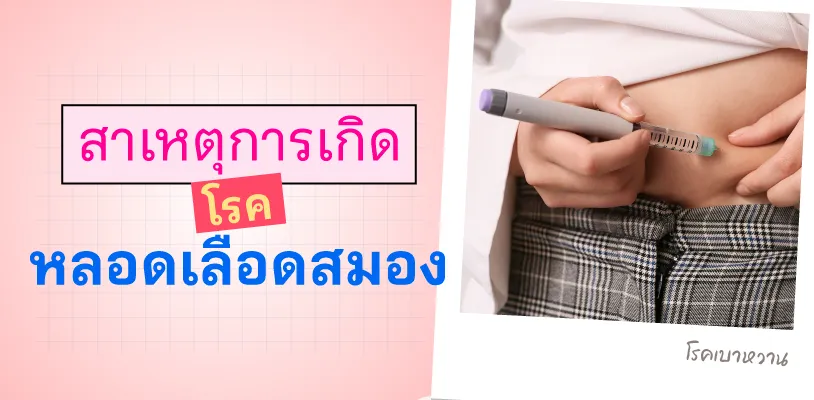
Causes of stroke
The causes of stroke can be attributed to various factors, including:
- High blood pressure: The leading cause of narrowed or ruptured brain arteries.
- Diabetes: High blood sugar levels accelerate blood vessel deterioration.
- High cholesterol: Fat buildup in arterial walls (atherosclerosis) increases blockage risk.
- Heart disease: Conditions such as arrhythmia can cause blood clots that may travel to the brain.
- Smoking: Nicotine causes blood vessels to constrict and harden.
- Lack of exercise and obesity: Excess weight can lead to high blood pressure and cholesterol.
- Excessive alcohol consumption: Raises the risk of both blocked and ruptured brain vessels.
- Genetics and age: Getting older and having a family history also increase the risk.
Stroke is a serious but preventable condition if the causes are well understood and risk factors are managed early. Measures such as controlling blood pressure, maintaining a healthy weight, regular exercise, and avoiding smoking can significantly reduce your risk. If you or someone close to you experiences unusual symptoms, seek medical advice immediately for risk assessment and appropriate care.
10 warning signs of stroke you should never ignore
Although stroke often happens suddenly, the body sometimes sends early warning signs. Recognizing these signs and seeking medical attention immediately can greatly reduce the severity of the stroke and improve chances of recovery. The following symptoms may seem minor in everyday life, but they should never be overlooked:
1. Slurred or incoherent speech: Difficulty speaking, using the wrong words, or failing to understand others.
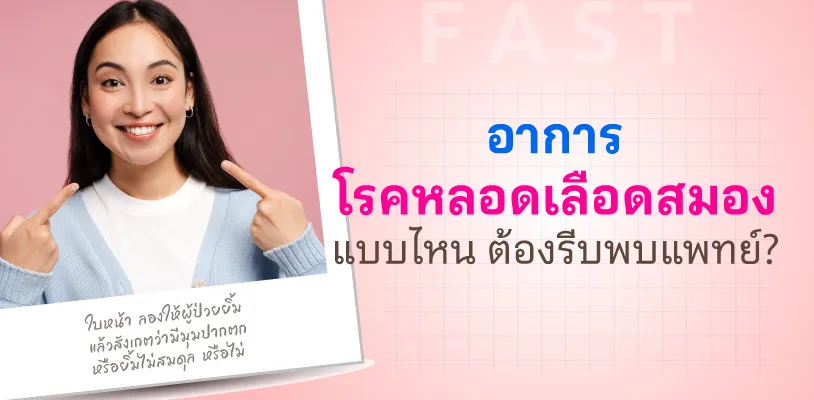
2. Facial drooping on one side: A drooping mouth or facial asymmetry when smiling is a sign of facial muscle weakness.
3. Weakness in one arm or leg: One arm may drop when both arms are raised. The person may be unable to control movement
4. Sudden dizziness or confusion: Feeling confused, unable to think clearly, or having memory lapses even though they seemed fine just moments earlier.
5. Loss of balance or difficulty walking: Feeling dizzy, unable to balance, unsteady gait, or feeling like you might fall.
6. Sudden severe headache without a known cause: An abrupt and unusually intense headache, which may be accompanied by vomiting or unconsciousness.
7. Double vision or reduced vision: Blurred vision, seeing double, or loss of vision in one eye.
8. Numbness or unusual sensations in the arms, legs, or face, especially if it occurs on only one side of the body.
9. Sudden dizziness or loss of balance: A spinning sensation (vertigo) with weakness to the point of being unable to stand.
10. Sudden unconsciousness or drowsiness without a clear cause: A warning sign of acute cerebral ischemia.
What stroke symptoms require immediate medical attention?
If symptoms consistent with stroke appear, even if they are temporary or come and go, do not ignore them. Immediate medical attention is crucial because mild symptoms can worsen and become more difficult to treat. If you or someone nearby begins to show suspicious symptoms, try using the "FAST" method for a quick initial assessment. This is a simple way to detect signs early:
- F (Face) – Ask the person to smile. Look for any signs of facial drooping or an uneven smile.
- A (Arms) – Ask them to raise both arms above their head. If one arm drops or lacks strength, it indicates a possible problem.
- S (Speech) – Ask them to say a simple sentence. Slurred, stuttering, or incoherent speech can be a warning sign.
- T (Time) – If even 1 of the 3 signs above is present, the chance of a stroke is about 70%. If all 3 signs are present, the risk exceeds 85%. Immediate transport to a hospital is crucial, as early treatment greatly improves recovery chances and reduces the risk of brain damage or permanent disability.
Basic stroke prevention methods
- Maintain normal blood pressure: High blood pressure is a major risk factor for stroke. Regularly monitor your blood pressure and adjust lifestyle habits to help lower it.
- Control blood sugar levels: People with diabetes are at higher risk for stroke. Maintain proper blood sugar through diet and exercise.
- Reduce cholesterol levels: High cholesterol can lead to arterial blockage. Avoid foods high in saturated fats and increase your intake of fruits and vegetables.
- Quit smoking and limit alcohol consumption: Smoking and alcohol raise stroke risk. Stop smoking and limit alcohol for better health.
- Exercise regularly: Physical activity improves blood circulation and lowers blood pressure. Aim for at least 30 minutes per day, 5 days a week.
- Maintain a healthy weight: Being overweight or obese is a stroke risk factor. Keep your weight within a healthy range through proper diet and exercise.
- Eat a healthy diet: Choose high-fiber, low-fat foods. Reduce salt, sugar, and saturated fat intake.
- Manage stress: Chronic stress raises blood pressure and stroke risk. Use relaxation techniques such as meditation or engaging in enjoyable activities.
- Receive regular health check-ups: Annual check-ups help identify risk factors and allow for early intervention.
Stroke prevention is possible through lifestyle adjustments and control of risk factors. Taking care of your health and following medical advice can help reduce your risk of stroke.
Additionally, planning ahead with comprehensive health insurance can give you peace of mind in the face of unexpected events. With lump sum health insurance from Muang Thai Life Assurance covering treatment costs from 200,000 to 100 million baht, you can feel more at ease about medical expenses when illness strikes.
For more information:
☑️ Call Tel. 1766, available 24/7.
☑️ Contact a life insurance agent.
- Please study the details of coverage, conditions, and exclusions before making a decision to purchase insurance.
Sources: Retrieved on 10/08/26
🔖 phyathai