

What Is the DASH Diet? Blood-Pressure-Lowering Eating Techniques,
In an era when “high blood pressure” has become a closer threat than many people think, many may not yet realize that adjusting “diet” can help control blood pressure effectively without relying on medication in the early stages.
One approach recognized worldwide is the DASH diet, an eating pattern designed specifically to help lower blood pressure. It is not just ordinary “clean eating,” but a principled way of balancing one’s diet. Today, we will look at what the DASH diet is, why it truly helps lower blood pressure, and how adopting it serves as a long-term investment to cut medical costs.
Key Takeaway
- DASH Diet Is Rooted in Nutritional Balance: Standing for Dietary Approaches to Stop Hypertension, it emphasizes cutting sodium while boosting potassium, magnesium, and calcium to relax arterial walls.
- Clinically Proven Results within 2–4 Weeks: Lowers both systolic and diastolic blood pressure significantly, mitigates arterial plaque buildup, and reduces cardiovascular risk.
- Core Golden Rule: “Reduce salt, load up on vegetables, avoid processed foods.” Emphasize fresh produce, whole grains, and lean proteins while capping sodium intake.
- Long-Term Financial Savings: Proactively managing hypertension helps prevent costly secondary complications like chronic kidney disease, stroke, and heart failure.
If the article is too long, you can choose a topic to read:
What Is the DASH Diet
DASH stands for Dietary Approaches to Stop Hypertension, or “an eating approach to stop high blood pressure,” which was developed from medical research to help lower blood pressure without using medication. The main idea of the DASH diet is to reduce sodium, increase potassium, and choose heart-healthy foods, focusing on highly nutritious foods, such as:
- Vegetables and fruit
- Whole grains
- Low-fat protein (e.g., skinless poultry, fish)
- Low-fat or fat-free dairy products
At the same time, it substantially curbs foods that increase vascular risks, including:
- Very salty food and table salt
- Processed meats and canned goods
- Fried and high-fat dishes
- Sugary beverages and sweets
Simply put, the DASH diet is not about “starving,” but about “choosing to eat right,” or balancing the diet to control blood pressure and care for the heart in the long run.
Why the DASH Diet Really Helps Lower Blood Pressure
Many people wonder whether simply changing their dietary habits can genuinely reduce blood pressure. The answer is an unequivocal “yes,” supported by extensive scientific literature. The DASH diet operates through targeted biological mechanisms:
- Reduced Sodium: Limits fluid volume expansion in the bloodstream, easing the workload of the heart and lowering arterial tension.
- Increased Potassium, Calcium, & Magnesium: Potassium promotes renal sodium excretion, while magnesium and calcium support smooth muscle relaxation within blood vessels.
- Dietary Fiber Enrichment: Binds bile acids and dietary fats, preventing cholesterol plaque buildup inside arterial walls.
- Reduced Saturated & Trans Fats: Protects endothelial vascular linings and lowers overall cardiovascular event risks.
Clinically Proven Results: Blood pressure levels can measurably decline within 2 to 4 weeks of consistent adherence, assisting with sustainable weight management and lowering stroke and heart disease hazards.
DASH Diet Eating Principles That Are Easy to Understand and Follow
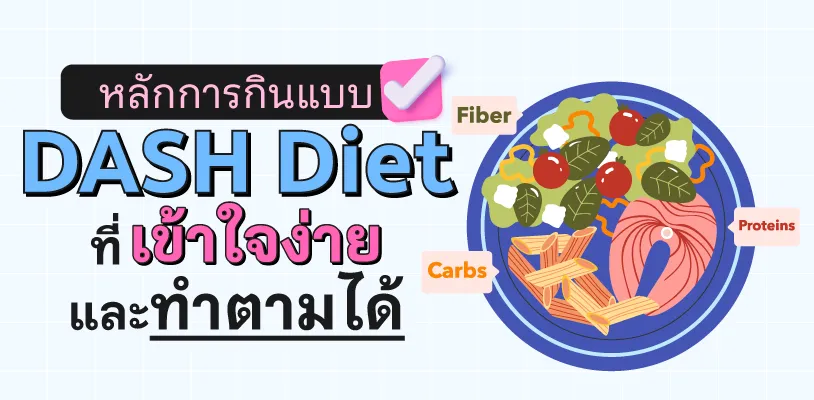
Before starting the DASH diet, the key is to “understand the principles” rather than memorizing rigid daily menus:
| Food Category | Recommended DASH Choices | Items to Strictly Limit |
|---|---|---|
| Vegetables & Fruits | Dark leafy greens, broccoli, tomatoes, fresh bananas, apples, berries (4–5 servings/day each) | Syrup-canned fruits, salt-cured pickles, preserved fruits |
| Grains & Carbs | Brown rice, whole wheat bread, oats, quinoa, unrefined cereal grains | Refined white bread, pastries, butter croissants, sugary breakfast cereals |
| Proteins & Fats | Fresh fish, skinless chicken, tofu, legumes, unsalted raw nuts, low-fat milk | Fatty red meats, bacon, sausages, fried chicken, lard, margarine |
| Seasonings & Drinks | Fresh garlic, lemon juice, black pepper, herbs (cap sodium at 1,500–2,300 mg/day) | Fish sauce, soy sauce, MSG, bouillon cubes, sweetened bottled drinks |
Sample DASH Diet Menus for Everyday Life
You do not have to revolutionize your diet overnight. Adjusting one meal at a time is completely sustainable:
- Breakfast: Oatmeal cooked with low-fat milk, topped with sliced banana or berries.
- Lunch: Brown rice served with herb-grilled chicken breast and steamed vegetables.
- Dinner: Steamed or grilled fish paired with mixed green salad (olive oil dressing) and clear vegetable broth.
- Snacks: A small handful of unsalted roasted almonds or plain low-fat yogurt.

Who the DASH Diet Is Suitable For
While specifically formulated for hypertensive care, the DASH diet is suitable and highly beneficial for almost everyone seeking long-term wellness:
- Groups Who Should Start Right Away: Individuals with hypertension, elevated cholesterol/triglycerides, or those who are overweight.
- Groups Who Should Adopt It for Prevention: Office workers who dine out often, habitual salty snack consumers, and individuals with a family history of heart disease.
Mistakes Beginners Make When Starting the DASH Diet
- Cutting table salt but continuing to eat processed foods: Pre-packaged meals and cured meats hide enormous levels of sodium.
- Eating too few vegetables: The protocol relies directly on the minerals in vegetables to counterbalance sodium.
- Inconsistency: Trying the diet for only 2 or 3 days will not produce lasting physiological benefits.
The DASH Diet and Reducing Health Expenses in the Long Run
Something many people overlook is “cumulative health expenses.” Managing chronic high blood pressure involves lifelong medical check-ups, continuous prescription costs, hospital visits, and high risks of costly comorbidities like heart failure, kidney disease, or stroke.
Adopting the DASH diet lowers the likelihood of requiring high-dose pharmaceuticals, decreases hospital visits, and prevents severe vascular complications. Controlling your blood pressure effectively is not merely a healthy lifestyle choice—it is a smart, long-term financial investment.
The DASH diet is one of the most simple yet truly effective ways to protect your vascular health. Reducing salt, adding colorful vegetables, and sticking to it consistently protects your heart and helps curb future medical costs.
While we cannot control every variable in life, prioritizing what we eat today is the single best preventative measure within our power.
And on unexpected days, having “a tool to help manage health expenses” is another source of peace of mind that lets us receive full treatment without worrying about the cost, with Health Insurance from Muang Thai Life Assurance, safeguarding your savings and long-term financial stability.
Source: Retrieved on 24/04/26