

Warning Signs! Terminal Cancer – Be Aware Before It’s Too Late
Terminal cancer is a stage where the disease has spread to other organs, making treatment more challenging. Cancer is a disease that many people are deeply concerned about because it can severely impact life and health. According to statistics, 140,000 new cases of cancer are diagnosed in Thailand each year, with 83,000 deaths. The five most common types of cancer-causing deaths in Thailand are liver and bile duct cancer, lung cancer, breast cancer, cervical cancer, and leukemia. The incidence of cancer has been increasing almost every year. Therefore, recognizing early warning signs of cancer is crucial so that treatment can be sought in a timely manner and preparation can be made for any possible situations.
If it’s too long, you can choose a topic to read:
1. What causes cancer, and how many stages does it have?
2. Warning signs of terminal cancer
3. Ways to reduce the risk of cancer
1. What causes cancer, and how many stages does it have?
Cancer is a disease caused by the abnormal and uncontrollable division and growth of cells in the body, which may spread to other organs. Understanding the causes and stages of cancer can help in preventing and effectively treating the disease.
What causes cancer?
The causes of cancer are complex and still being studied. However, key risk factors include:
- Genetics: Some types of cancer may be linked to family history.
- Lifestyle: Such as smoking, alcohol consumption, and unhealthy eating habits.
- Environment: Exposure to carcinogens such as chemicals and radiation.
- Viruses: Certain viruses, such as hepatitis B and C, can increase the risk of cancer.
Stages of cancer
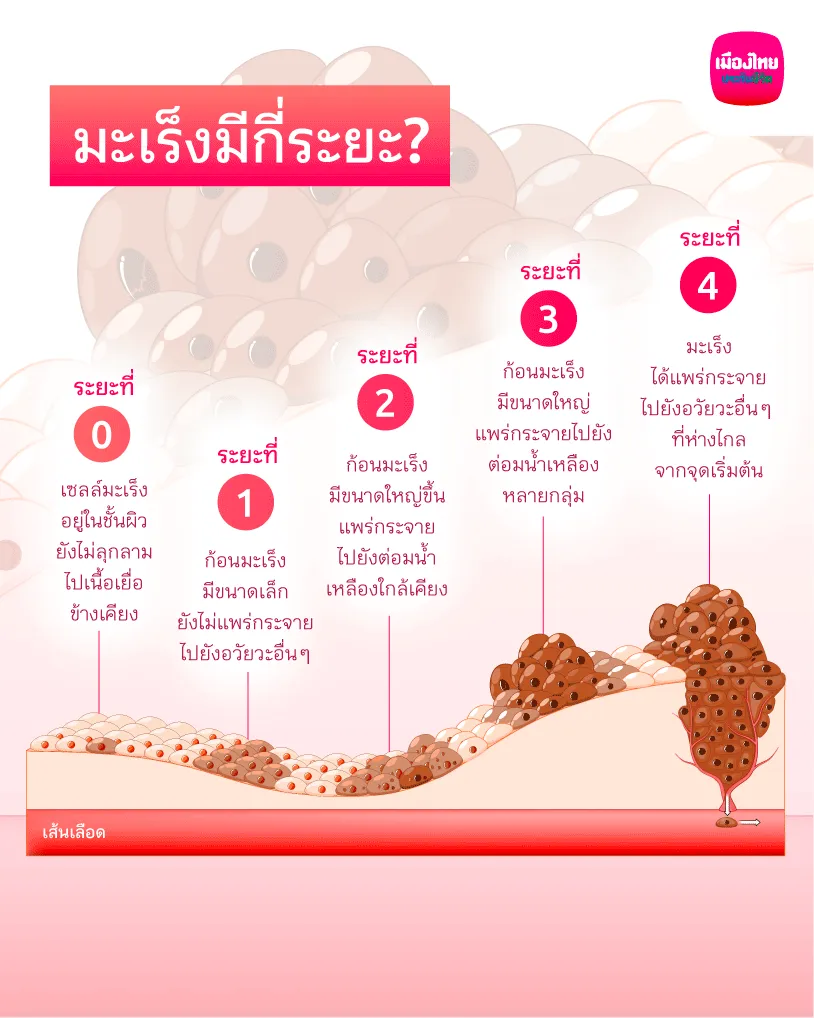
Cancer staging assesses tumor size, the spread of cancer cells to lymph nodes, and metastasis to other organs. Staging helps in planning treatment and predicting treatment outcomes.
Cancer is classified into four main stages
- Stage 0: Cancer cells remain in the surface layer or lining of the organ and have not spread to nearby tissues.
- Stage 1: The tumor is small and has not spread to lymph nodes or other organs.
- Stage 2: The tumor is larger or has spread to nearby lymph nodes.
- Stage 3: The tumor is large and has spread to multiple lymph node groups or nearby tissues.
- Stage 4: Cancer has spread to distant organs from its original site.
2. Warning signs of terminal cancer
Terminal cancer is a stage where the disease has spread to other organs, making treatment more challenging and significantly affecting quality of life. Recognizing early warning signs is important for seeking timely treatment and preparing for possible situations.
Symptoms before death in terminal cancer patients
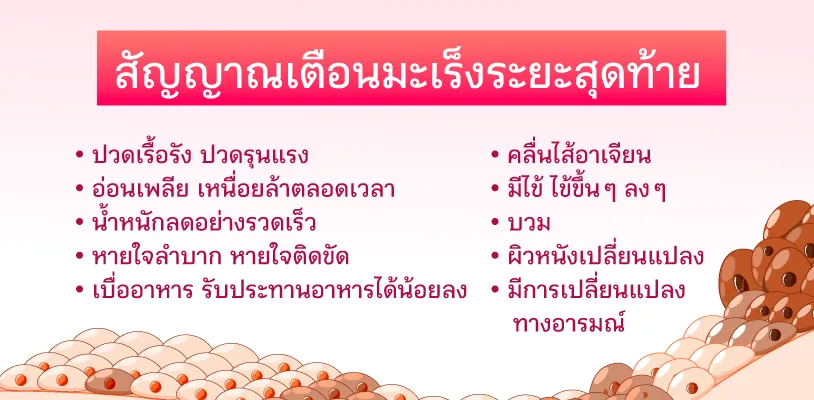
- Pain: May be chronic, severe, or throbbing, especially in areas where cancer has spread.
- Fatigue: Constant exhaustion despite adequate rest.
- Weight loss: Rapid, unexplained weight loss.
- Breathing difficulties: Shortness of breath or difficulty breathing, even at rest.
- Loss of appetite: Reduced desire to eat and decreased food intake.
- Nausea and vomiting: May result from treatment or cancer pressing against internal organs.
- Fever: Fluctuating fever, which may indicate infection.
- Swelling: May result from cancer pressing against blood vessels or lymph nodes.
- Skin changes: Darkened yellow skin, easy bruising, or the appearance of lumps.
- Emotional changes: Feelings of depression, sadness, anxiety, or confusion.
Note: Symptoms before death in terminal cancer patients vary from person to person, depending on the type of cancer, stage of the disease, and the patient’s overall condition. However, common symptoms include:
3. Ways to reduce the risk of cancer
Cancer is a frightening disease, but there are many ways to prevent and reduce the risk. Adopting healthier behaviors and taking care of your health regularly can help you lead a strong and cancer-free life.
Ways to reduce the risk of cancer
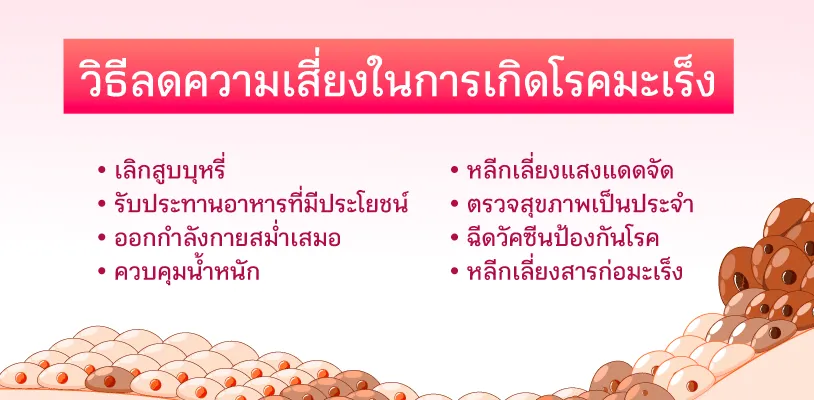
1. Quit smoking: Smoking is a major risk factor for several types of cancer, such as lung cancer, oral cancer, and esophageal cancer.
2. Eat a healthy diet: Focus on vegetables, fruits, whole grains, and plant-based proteins while reducing the consumption of processed foods, fried foods, fatty foods, and heavily seasoned foods.
3. Exercise regularly: Physical activity strengthens the immune system, reduces the risk of obesity, and lowers the likelihood of developing various types of cancer.
4. Maintain a healthy weight: Being overweight or obese increases the risk of several types of cancer.
5. Avoid excessive sun exposure: Ultraviolet radiation from the sun is a leading cause of skin cancer. Avoid prolonged exposure to strong sunlight and use sunscreen.
6. Get regular health check-ups: Routine health screenings help detect diseases in their early stages, increasing the chances of successful treatment.
7. Get vaccinated: Certain vaccines, such as the hepatitis B vaccine, can help prevent liver cancer.
8. Avoid carcinogens: Minimize exposure to chemicals, toxins, and air pollution.
Even though we cannot predict whether we will develop a serious illness like cancer in the future, taking preventive measures to reduce the risk can provide peace of mind. This can be achieved by maintaining good health, eating a nutritious diet, exercising regularly, and undergoing routine health check-ups. Cancer is a major concern for everyone, especially terminal cancer, which is the most worrisome stage. Besides the physical suffering, the cost of treatment can be overwhelming. Preparing in advance is always better. Having health insurance can help cover medical expenses, offering coverage from 200,000 - 100 million Baht. When illness strikes, you can be at ease when it comes to treatment costs.
For more information:
☑️ Call Tel. 1766, available 24/7.
☑️ Contact a life insurance agent.
- Please study the details of coverage, conditions, and exclusions before making a decision to purchase insurance.
Sources: Retrieved on 20/01/25
🔖 Hfocus