


Can I get insurance if I have a pre-existing condition?
Nowadays, chronic diseases are becoming more common health problems. Many people are looking for options to help manage them, and health insurance plays a key role in reducing medical expenses and providing access to quality care, allowing you to plan for the future. However, some may still have questions: Can I get insurance if I have a pre-existing condition? What will it cover? This article will help you understand and find answers to these questions in simple terms.
Skip ahead to your topic of interest:
1. Can I get health insurance with a pre-existing condition?
2. What conditions are not covered by insurance?
3. Can a disabled person get insurance?

1. Can I get health insurance with a pre-existing condition?
For those wondering whether having a pre-existing condition affects their ability to get health insurance, the answer is: it depends. Some cases allow for normal insurance coverage, while others may be excluded from coverage based on the insurer’s terms and conditions. These cases can be categorized as follows:
Can You Get Health Insurance with a Common Pre-existing Condition?
If you have a chronic condition that has not been fully cured or still causes occasional symptoms depending on your health at the time—but is considered a common condition that does not severely impact daily life—you may still be eligible for health insurance. However, in such cases, you may be required to pay a higher premium to account for the risk associated with the condition. Alternatively, the insurance policy may exclude coverage for any illnesses or complications related to that specific condition, meaning that medical expenses resulting from it would not be covered.
Does Health Insurance Cover Conditions That Existed Before Enrollment?
This situation is similar to the first case. If you had a medical condition before getting insurance but have since fully recovered and now seek health coverage for other health needs, you may still qualify for insurance. However, coverage for any complications or relapses related to the previously treated condition may be excluded. Additionally, if a condition was only recently treated and there is a risk of recurrence, the insurer will assess the situation individually, considering the nature of the condition and your current health status.
Details on conditions that are not covered by insurance will be explained in the following sections.

2. What conditions are not covered by insurance?
In addition to pre-existing conditions, some illnesses are specifically excluded from health insurance coverage. The following conditions are not covered:
Pre-existing Conditions That Have Not Been Cured
Examples include gastritis, hemorrhoids, pneumonia, tonsillitis, hypertension, diabetes, etc. These illnesses have a high chance of recurring or leading to complications. However, if the condition has been cured and the policy has been active for at least one year, you may request a review of coverage conditions from the insurance company.
Pre-existing Conditions That Were Not Disclosed
Some policyholders intentionally withhold information about their medical conditions, including details of any pre-existing conditions before purchasing insurance. If the company discovers that false information was provided regarding their health history, coverage for any symptoms or complications related to that condition will be denied.
Psychiatric Disorders
Mental health conditions, neurological psychiatric disorders, and other psychological illnesses, such as depression and bipolar disorder, are generally not covered. However, some insurance plans may offer specific coverage on a case-by-case basis.
Sexually Transmitted Diseases (STDs)
If the insured had a sexually transmitted disease before enrolling in the insurance plan, it will be excluded from coverage. If the disease is contracted after the policy takes effect, the insurance will not be canceled, but treatment costs and any related complications will not be covered.
Vision Treatment Expenses
Costs related to vision correction procedures, such as LASIK or visual aids, are excluded from coverage.
Dental Treatment Expenses
Dental treatments, including tooth extractions, fillings, braces, dentures, and dental implants, are generally not covered. However, emergency dental treatment due to an accident may be covered, excluding costs for crowns or dental implants.
Pregnancy-Related Complications
Expenses related to pregnancy, including miscarriage, childbirth, pregnancy complications, sterilization procedures, and endometriosis treatment, are not covered by insurance.
Conditions That Manifest During the Waiting Period
Health insurance policies include a waiting period (usually 30, 90, or 120 days, depending on the plan). If a policyholder develops symptoms or falls ill during this period, insurance coverage will not apply.
Read more about >> Conditions Not Covered by Insurance
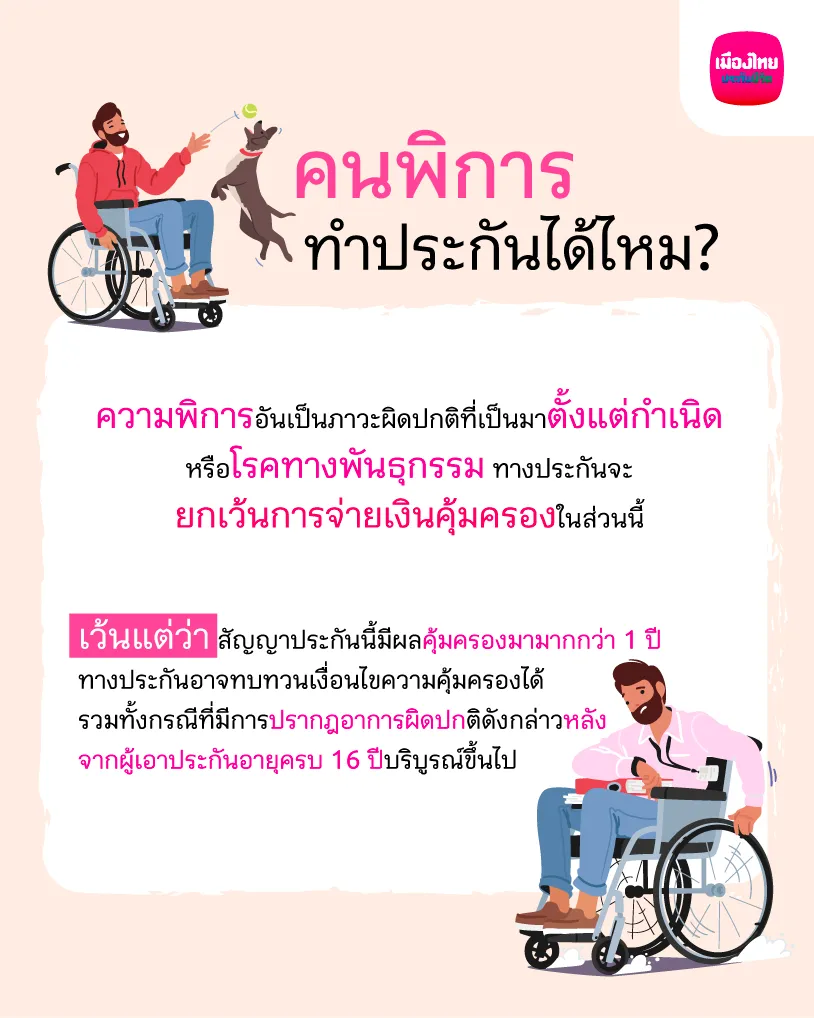
3. Can a disabled person get insurance?
In addition to the question of whether individuals with pre-existing conditions can get health insurance, another common concern is whether people with disabilities can be insured. For disabilities that are congenital conditions or genetic disorders, insurance policies typically exclude coverage for related medical expenses. However, if the insurance policy has been active for more than one year, the insurer may review the coverage conditions. Additionally, if the disability or abnormal condition occurs after the insured turns 16 years old, coverage may be reconsidered.
Managing health with a pre-existing condition is not just about medical treatment; it also involves long-term lifestyle adjustments and self-care. Eating a balanced diet, exercising regularly, and strictly following medical advice are crucial in reducing the risk of complications. Maintaining good overall health can help ease concerns about whether insurance is available for those with pre-existing conditions. Those with a strong health record may also have better access to coverage and more affordable premium rates.
While some chronic conditions may not be completely curable, with proper understanding and care, you can still lead a high-quality and balanced life. Adding health insurance as an extra layer of protection can provide peace of mind. Investing in good health is the foundation for a long and happy life.
- Please study the details of coverage, conditions, and exclusions before making a decision to purchase insurance.
Sources: Retrieved on 15/01/68