


Quick and Easy Ways to Treat a Stye! Anyone Can Do It
Just hearing the word stye makes your eyelid hurt, doesn’t it? Many people have experienced this uncomfortable condition: swelling, redness, pain, and sometimes a small bump on the upper eyelid. A stye can be incredibly annoying, and it’s easy to worry that it might take a long time to heal. But don’t worry, today we’ve got some quick and easy self-care tips for treating a stye at home. Follow these steps and you’ll feel better fast. No need to suffer any longer!
If the article is too long, you can choose a topic to read:
1. What is a stye and what causes it?
2. What are the symptoms of a stye?
3. How to treat a stye quickly at home
4. How to prevent styes from coming back

1. What is a stye and what causes it?
A stye (or hordeolum) is an inflammation of the oil glands along the eyelid, causing a red, swollen, painful bump that may contain pus. The main cause of a stye is a bacterial infection, especially Staphylococcus aureus, which is commonly found on the skin. Risk factors for getting a stye include:
- Rubbing your eyes: Especially with dirty hands, this can transfer bacteria to the eyes.
- Using expired cosmetics: Old makeup can harbor bacteria.
- Wearing dirty contact lenses: Poor lens hygiene can lead to infection.
- Chronic eyelid inflammation: People with long-term eyelid conditions are more likely to develop styes.
- Underlying diseases: Those with conditions like diabetes may be more prone to infections.
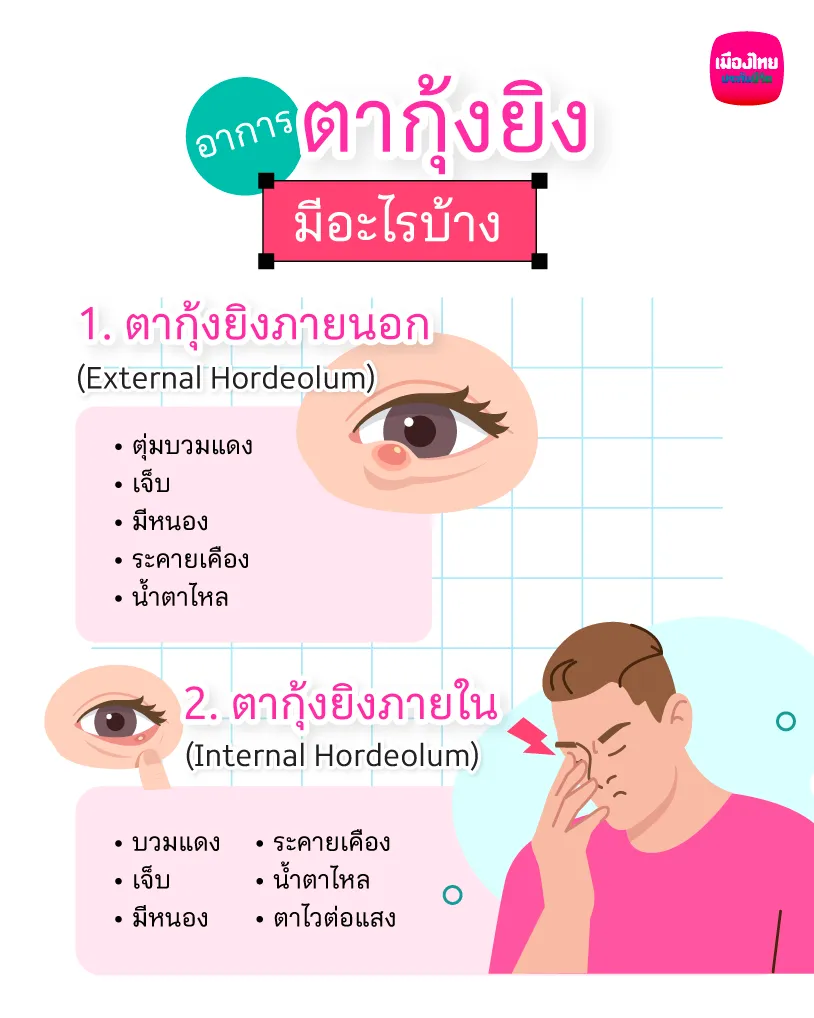
2. What are the symptoms of a stye?
Stye symptoms fall into two main categories, depending on where the inflammation occurs:
1. External hordeolum is caused by inflammation of the Zeis or Moll glands, located near the outer edge of the eyelid:
- A red, swollen bump near the outer edge of the eyelid, close to the base of the eyelashes
- Pain when touching or pressing on the bump
- Visible pus, possibly a yellow or white head
- Irritation or the sensation of something in the eye
- Watery eyes or excessive tearing
2. Internal hordeolum is caused by inflammation of the Meibomian glands, located inside the eyelid:
- Redness and swelling on the inner eyelid
- Pain when touching or pressing on the eyelid
- Pus may be trapped inside the eyelid, forming a red swollen lump
- Eye irritation or discomfort
- Watery eyes or excessive tearing
- Light sensitivity or discomfort in bright light
Other possible symptoms include:
- Swollen eyelids, in some cases, the swelling may be severe enough to keep the eye from opening
- Itchy eyelids
- Eye discharge or more eye crust than usual
If you experience symptoms such as severe eye pain, spreading redness or swelling, blurred vision, fever, or if the condition doesn’t improve within 2–3 days, it could be a sign of a more serious infection or a different eye condition. In that case, it’s best to see a doctor for a proper diagnosis and treatment

3. How to treat a stye quickly at home
Most styes go away on their own within 1–2 weeks. However, proper self-care can speed up healing and relieve symptoms. Here are some quick and easy at-home treatments for a stye:
1. Warm compress
- Use a clean cloth soaked in warm (not hot) water, or a warm tea bag, and gently press it against the affected eyelid.
- Hold it in place for 10–15 minutes, 3–4 times a day.
- The warmth helps the pus drain naturally and eases pain and swelling.
2. Clean your eyelids
- Gently clean the eyelid with a cotton pad soaked in warm water or saline solution.
- Wipe from the inner corner of the eye outward to avoid spreading bacteria.
- Avoid using soap or harsh cleansers near the eyes.
3. Avoid touching or rubbing your eyes
- Rubbing your eyes can spread bacteria and make things worse.
- If your eyes feel irritated, use artificial tears to relieve discomfort.
4. Don’t squeeze or press the pus
- Squeezing the bump can worsen the infection and spread bacteria.
- Let it drain on its own naturally.
5. Avoid makeup and contact lenses
- Makeup can irritate the skin and clog pores.
- Contact lenses can harbor bacteria and worsen symptoms.
4. How to prevent styes from coming back
Preventing styes from recurring is very important, especially for those who have had them before. Here are some easy preventive measures that can be incorporated into your daily routine.
1. Maintain cleanliness of the eyelids and face
- Always wash your hands thoroughly, especially before touching the eye area.
- Wash your face regularly, paying special attention to the eyelids.
- Avoid rubbing your eyes, as dirty hands can introduce germs into your eyes.
2. Keep makeup and makeup tools clean
- Clean makeup brushes and tools regularly.
- Replace makeup every 3–6 months, especially those used around the eyes.
- Avoid sharing makeup with others.
3. Keep contact lenses clean
- Wash your hands thoroughly before putting in or removing contact lenses.
- Clean contact lenses with a suitable disinfecting solution.
- Replace contact lenses according to the recommended schedule.
4. Apply warm compresses and clean your eyelids regularly
- If you have chronic eyelid inflammation, apply warm compresses and clean your eyelids regularly to reduce clogged oil glands.
- Use a clean cloth soaked in warm water to gently apply a compress on the eyelids once or twice a day, for 5–10 minutes each time.
- Use clean cotton pads soaked in clean water or saline solution to gently wipe the eyelids.
5. Take care of your overall health
- Get enough sleep.
- Eat a nutritious diet.
- Exercise regularly.
- Manage stress.
6. Avoid risk factors
- If you have an such as diabetes, make sure to control your blood sugar levels.
- If you have eyelid inflammation, consult a doctor for proper treatment.
Although styes are common and usually heal on their own, they can be quite bothersome and uncomfortable. Understanding the true causes can help us prevent and properly care for ourselves. To reduce the risk of styes recurring, it’s important to maintain cleanliness of your hands and the area around the eyes, avoid risky behaviors, and take good care of your overall health. Additionally, don’t forget to plan ahead for medical expenses, because we never know when a critical illness might strike. Preparing for healthcare costs with health insurance coverage ranging from 200,000 to 100 million Baht can help ease your financial burden when you fall ill.
For more information:
☑️ Call Tel. 1766, available 24/7.
☑️ Contact a life insurance agent.
- Please study the details of coverage, conditions, and exclusions before making a decision to purchase insurance.
Sources: Retrieved on 26/02/25