
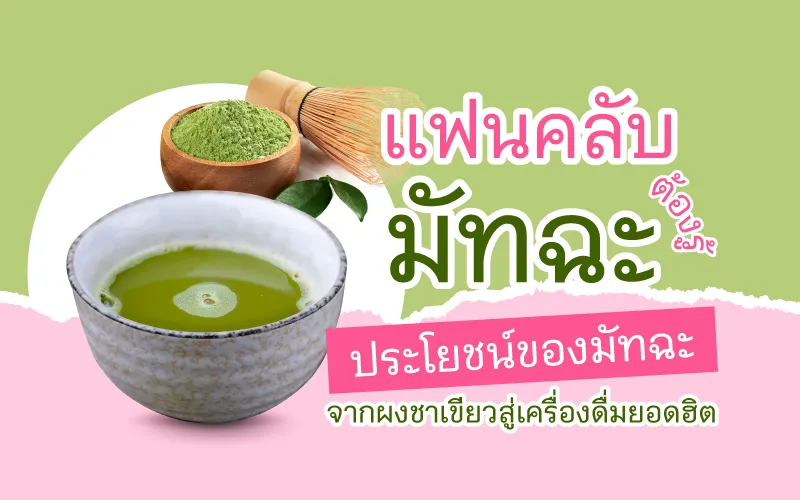
A Must-Know for Matcha Fans! The Benefits of Matcha – From Green Tea Powder to a Trendy Drink
Matcha drinks are widely known for their significant health benefits, making them increasingly popular. Nearly every café now features matcha on its menu. Matcha has a unique, fragrant, slightly bitter, and subtly sweet taste, which many people love. It offers numerous health benefits and can be used in a variety of drinks, such as matcha lattes, matcha frappés, or even desserts. But what exactly are the benefits of matcha? How does it differ from green tea? And are there any downsides to consuming matcha frequently? Let’s find out!
Too long? Jump to a section below:
3. Choosing the Right Matcha for Your Needs
4. Side Effects of Consuming Excessive Matcha
5. How is Matcha Different from Green Tea?
6. How is Hojicha Different from Matcha?
7. How to Brew Matcha Green Tea for Weight Loss
1. Benefits of Matcha
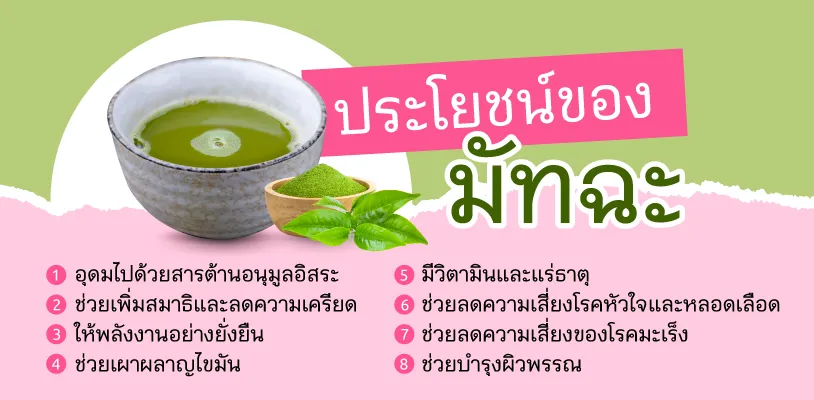
Matcha provides numerous health benefits as it is rich in essential nutrients and antioxidants, which contribute to overall well-being and disease prevention.
1. Rich in Antioxidants
Matcha contains high levels of antioxidants, particularly epigallocatechin gallate (EGCG), a type of catechin with antioxidant properties stronger than vitamin C and vitamin E. These antioxidants help protect cells from damage and reduce the risk of chronic diseases such as heart disease, cancer, and Alzheimer’s disease.
2. Enhances Focus and Reduces Stress
Matcha contains L-theanine, an amino acid that promotes brain function, improving focus while reducing stress and anxiety. Additionally, the caffeine in matcha stimulates the central nervous system, keeping you alert and energized.
3. Provides Sustained Energy
Unlike coffee, the caffeine in matcha is absorbed slowly, providing long-lasting and steady energy without causing jitters. The presence of L-theanine also helps minimize caffeine-related side effects, such as heart palpitations and insomnia.
4. Boosts Fat Metabolism
Matcha enhances fat burning and metabolism, making weight loss more effective. Studies have shown that consuming matcha can increase fat-burning rates by up to 17%.
5. Rich in Vitamins and Minerals
Matcha is packed with essential vitamins and minerals, including vitamin C, vitamin K, potassium, and magnesium, all of which contribute to overall health and wellness.
6. Reduces the Risk of Cardiovascular Diseases
The antioxidants in matcha help reduce the risk of cardiovascular diseases by lowering bad cholesterol (LDL) and triglycerides while increasing good cholesterol (HDL).
7. Reduces Cancer Risk
The EGCG in matcha has anti-carcinogenic properties, and studies suggest that consuming matcha may help lower the risk of certain types of cancer.
8. Promotes Healthy Skin
Matcha’s antioxidants protect the skin from damage caused by UV rays and pollution, helping to reduce wrinkles and maintain a youthful complexion.
For more insights on green tea, check out our article . "Surprising Benefits of Green Tea!!!".
2. Types of Matcha
Matcha powder is categorized into three main grades:
1. Ceremonial Grade
- Quality: The highest quality matcha, made from the youngest green tea leaves, harvested only in the early spring. These leaves are carefully hand-picked and stone-grinded to a fine, bright green powder.
- Flavor: The flavor is smooth, mellow, and sweet, with a slight bitterness and a unique aroma.
- Usage: Best for traditional tea ceremonies or pure drinking, allowing you to fully experience matcha’s authentic taste.
- Price: The most expensive among all matcha grades.
2. Premium Grade
- Quality: A slightly lower quality than ceremonial grade, made from second harvest tea leaves in spring, with a darker green hue.
- Flavor: The flavor is more intense, with a slight bitterness, but still has a sweet aroma.
- Usage: Ideal for daily drinking or preparing matcha-based beverages like matcha lattes and frappés.
- Price: More affordable than ceremonial grade but pricier than culinary grade.
3. Culinary Grade
- Quality: The lowest grade, produced from late-harvest tea leaves, resulting in a deep green color with strong bitterness and less aroma.
- Flavor: Bitter and astringent, suitable for mixing in various foods or desserts to give the smell and taste of matcha.
- Usage: Used for making desserts and culinary dishes, such as matcha cakes, matcha ice cream, or mixing into other beverages.
- Price: The most budget-friendly option.
3. Choosing the Right Matcha for Your Needs
Choosing matcha depends on personal preference, intended use, and budget. If you prefer traditional matcha tea, opt for ceremonial grade. If you plan to make matcha-based drinks, premium grade is a great choice. If you want to bake or cook with matcha, go for culinary grade.
4. Side Effects of Consuming Excessive Matcha
Although matcha offers numerous health benefits, excessive consumption may lead to some negative effects:
- Caffeine Sensitivity: Matcha contains caffeine, which can cause jitters, anxiety, insomnia, rapid heartbeat, or headaches, especially in those sensitive to caffeine.
- Digestive Issues: Consuming too much matcha may lead to stomach pain, diarrhea, or constipation.
- Iron Absorption Interference: Certain compounds in matcha may reduce iron absorption, which can be a concern for menstruating individuals, pregnant women, or those with iron deficiency.
- Medication Interactions: Matcha may interact with certain medications, such as blood thinners or heart medications.
- Contaminants: Some matcha products may contain lead or
5. How Is Matcha Different from Green Tea?
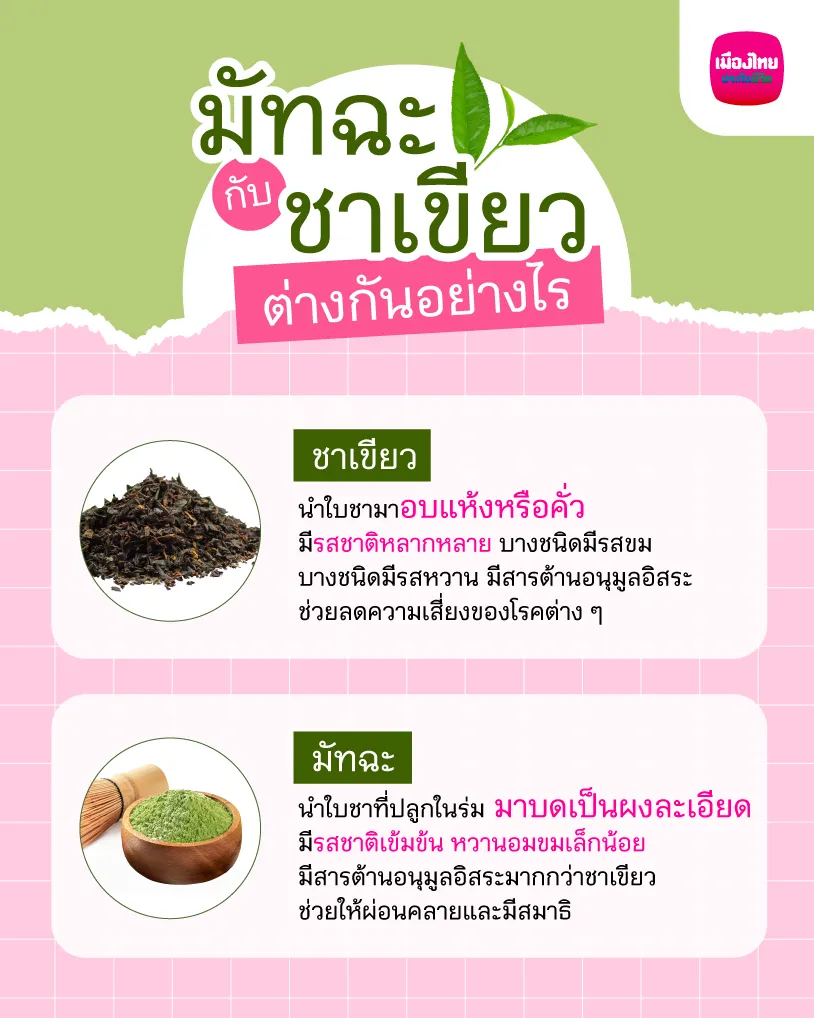
Matcha and green tea come from the same tea plant but differ in production methods, flavor, and health benefits.
Production Process
- Green Tea: Made by drying or roasting tea leaves.
- Matcha: Made from shade-grown tea leaves that are finely ground into a powder.
Flavor
- Green Tea: Varies depending on the type some are bitter, while others have a naturally sweet taste.
- Matcha: Has a rich, slightly sweet, and mildly bitter flavor with a distinct aroma.
Health Benefits
- Green Tea: Contains antioxidants that help reduce the risk of various diseases.
- Matcha: Has higher antioxidant levels than green tea, contains L-theanine, which promotes relaxation and focus, and has caffeine for alertness.
Both matcha and green tea offer great health benefits, but their taste and preparation methods set them apart. People often wonder which one is better, but the answer depends on personal preference and intended use because both types of tea have different advantages and disadvantages.
- If you prefer a variety of flavors, easy-to-drink options, and a more affordable choice, go for green tea.
- If you want higher antioxidants, better relaxation, improved focus, or a versatile ingredient for drinks and desserts, matcha is the better choice.
6. How Is Hojicha Different from Matcha?
Many people get confused between Matcha and Hojicha because their names sound somewhat similar. Today, let's clear up the differences between these two types of green tea.
Matcha
- Production: Made from shade-grown green tea leaves. Before harvesting, the tea plants are covered to reduce photosynthesis, resulting in deep green leaves rich in The leaves are then steamed, dried, and finely ground into a powder.
- Flavor: Rich, slightly sweet with a mild bitterness, and has a unique aroma.
- Color: Bright green.
- Usage: Commonly used in drinks like matcha lattes or as an ingredient in desserts.
Hojicha
- Production: Made from roasted green tea leaves, which gives it a light brown color.
- Flavor: Mild, with a roasted aroma and less bitterness than matcha.
- Color: Light brown.
- Usage: Often brewed as a tea or used as an ingredient in desserts.
7. How to Brew Matcha Green Tea for Weight Loss
There are various ways to prepare matcha for weight loss, each with its own tips and precautions. The most popular and effective methods are as follows.
1. Matcha Latte (Weight Loss Recipe)
- Ingredients:
- 1-2 teaspoons of matcha powder
- 60 ml of hot water
- 180 ml of low-fat milk or alternative milk (e.g., almond milk, oat milk)
- A small amount of stevia or other natural sweeteners (optional)
- Instructions:
- Warm your matcha bowl with hot water, then discard the water.
- Sift the matcha powder into the bowl to prevent clumping.
- Pour hot water into the bowl and whisk with a bamboo whisk (chashaku) until frothy.
- Heat the low-fat milk or alternative milk until warm.
- Pour the warmed milk into a cup and then add the whisked matcha.
- Add stevia or a natural sweetener if desired.
- Stir well and enjoy!
2. Pure Matcha
- Ingredients:
- 1-2 teaspoons of matcha powder
- 60 ml of hot water
- Instructions:
- Warm a matcha bowl with hot water, then discard the water.
- Sift the matcha powder into the bowl to prevent clumping.
- Pour hot water into the bowl and whisk using a bamboo whisk (chashaku) until frothy.
- Enjoy!
Matcha is not only delicious but also packed with health benefits. It can be used in a variety of drinks and dishes, making it a widely loved beverage today. However, maintaining good health isn't just about drinking matcha—exercise regularly, eat a balanced diet, and schedule annual health check-ups. Most importantly, planning for your health in advance is crucial because you never know when illness might strike. Medical expenses can quickly add up, but you can ease the burden with a lump sum health insurance plan from Muang Thai Life Insurance, covering treatments from 200,000 to 100 million Baht—helping you focus on recovery without financial worries.
For more information:
☑️ Call Tel. 1766, available 24/7.
☑️ Contact a life insurance agent.
- Please study the details of coverage, conditions, and exclusions before making a decision to purchase insurance.
Sources: Retrieved on 17/02/2025
🔖 sanook
🔖 trueid