


How to Check for Heart Disease Yourself: Don’t Ignore the Warning Signs!
Heart disease is one of the leading causes of death in Thailand. According to the Ministry of Public Health in 2022, more than 70,000 Thais died from heart and vascular diseases, an average of 8 people every hour. The numbers continue to rise every year.
One of the biggest challenges is that heart disease often develops with vague or hidden symptoms, causing many people to overlook the early warning signs. Delayed treatment can lead to serious or even life-threatening complications.
That’s why it’s crucial to understand the symptoms of heart disease, know how to check your own heart health, and take preventive steps early. Below, we’ll explore:
3. Warning Signs of Heart Disease: Self-Check Symptoms
4. Tips to prevent heart disease
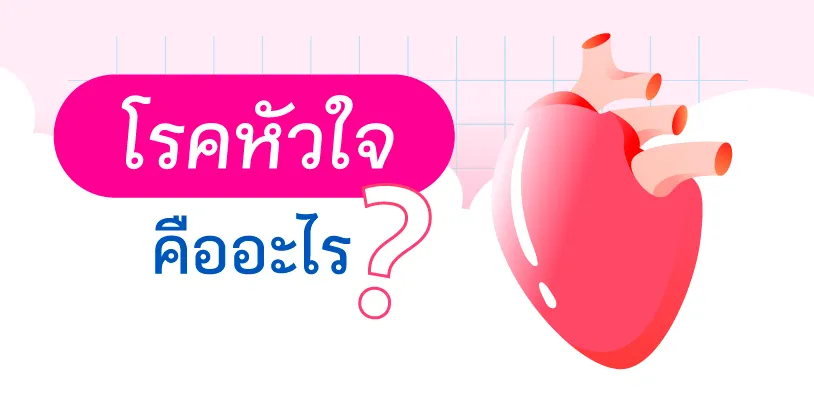
1. What is Heart Disease?
Heart disease refers to a group of conditions that affect the structure and function of the heart, which is responsible for pumping blood to supply oxygen and nutrients throughout the body. When the heart doesn’t function properly, vital organs may not receive enough oxygen and nutrients, leading to serious health risks.
Common types of heart disease include:
- Coronary artery disease – caused by fatty deposits blocking the arteries that supply blood to the heart.
- Arrhythmia (irregular heartbeat) – caused by abnormal electrical signals, making the heart beat too fast, too slow, or unevenly.
- Heart valve disease occurs when heart valves become narrowed or leaky, disrupting blood flow.
- Cardiomyopathy (weak heart muscle) – when the heart muscle is too weak to pump blood effectively.
- Congenital heart disease – heart abnormalities present from birth.
- Other related conditions – such as pericarditis (inflammation of the heart lining) or aortic aneurysm.
Where is the heart located?
The heart is approximately the size of a fist and is located slightly to the left of the center of the chest. It has four chambers and valves that regulate blood flow, working continuously to pump oxygen-rich blood throughout the body.

2. Causes of Heart Disease
Heart disease has many causes, including both controllable and uncontrollable risk factors.
Controllable factors:
- Lifestyle habits
- Smoking – nicotine damages blood vessels.
- Unhealthy diet – foods high in saturated fat and cholesterol can clog arteries.
- Lack of exercise weakens overall fitness and heart strength.
- Being overweight – obesity is a major risk factor for heart disease.
- Chronic stress – long-term stress affects the nervous system and heart health.
- Underlying health conditions
- High blood pressure causes arteries to harden and narrow.
- Diabetes accelerates artery damage and blockage.
- High cholesterol leads to the buildup of plaque in artery walls.
Uncontrollable factors:
- Age – Arteries naturally weaken and stiffen with age.
- Gender – men are at higher risk than women before menopause.
- Genetics – family history of heart disease increases risk.
Common heart diseases:
- Coronary artery disease (CAD) – artery blockage reduces blood flow to the heart.
- Heart failure occurs when the heart cannot pump enough blood to meet the body’s needs.
- Heart valve disease – an abnormality in valve function.
- Arrhythmia – irregular heartbeat patterns.
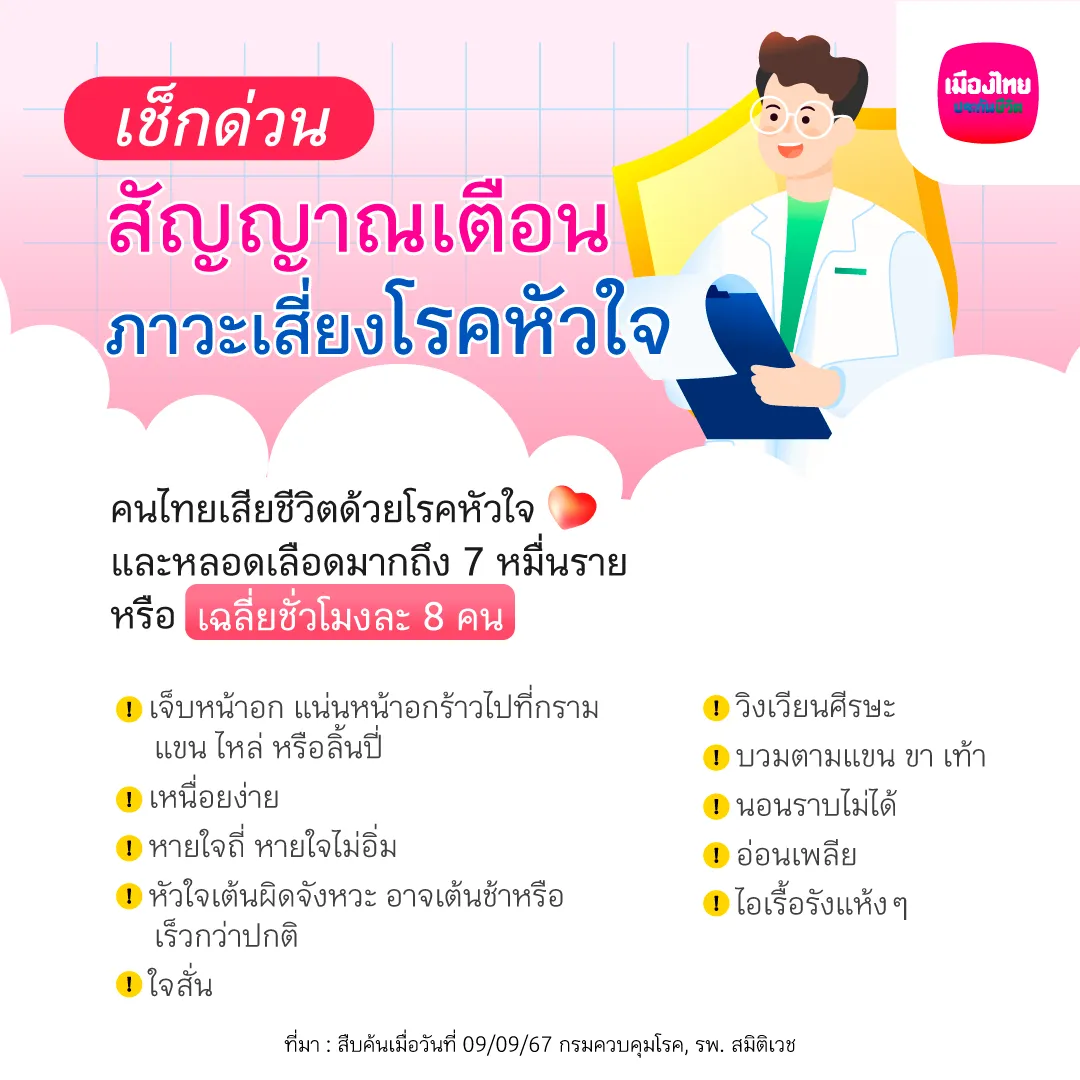
3. Warning Signs of Heart Disease: Self-Check Symptoms
Heart disease symptoms vary depending on the type and severity, but here are 10 key warning signs that should never be ignored:
- Chest pain or tightness – the classic symptom of coronary artery disease, often described as pressure or squeezing in the chest, sometimes radiating to the left arm, neck, or jaw.
- Unusual fatigue – feeling excessively tired, even with normal daily activities.
- Shortness of breath – difficulty breathing, rapid breathing, or feeling unable to take a deep breath.
- Heart palpitations – irregular or rapid heartbeat.
- Dizziness or lightheadedness – due to reduced blood flow to the brain.
- Swelling (edema) – especially in the feet, ankles, or legs.
- Persistent cough – especially at night.
- Fainting or near fainting – caused by sudden drops in blood pressure.
- Difficulty lying flat – shortness of breath when lying down.
- Chronic dry cough – unrelated to infection.
⚠️ These symptoms may also be linked to other health conditions, not just heart disease. However, if you experience them, it is strongly advised to see a doctor promptly for proper diagnosis and treatment.
4. How to Prevent Heart Disease
Heart disease can be managed and controlled if you receive proper and consistent care. By making lifestyle changes and following your doctor’s instructions, you can significantly reduce the risk of serious complications. Here are some essential ways to lower your risk of developing heart disease:
- Eat a heart-healthy diet: Focus on vegetables, fruits, whole grains, fish, nuts, and lean protein. Limit foods high in saturated fat, cholesterol, sugar, and sodium.
- Exercise regularly: Stay active and consult your doctor to create a safe workout plan that suits your health condition.
- Maintain a healthy weight: Keep your body weight within a normal range to ease pressure on your heart.
- Quit smoking: Tobacco is one of the leading risk factors that damages blood vessels and increases the risk of heart disease.
- Control blood pressure: Take prescribed medication if needed and reduce salt intake.
- Manage blood sugar: If you have diabetes, work to maintain stable blood sugar levels.
- Monitor cholesterol: Follow your doctor’s advice and adopt healthier eating habits.
- Reduce stress: Practice meditation, yoga, or listen to calming music to relax your mind and body.
- Get enough sleep: Aim for 7–8 hours of quality sleep every night.
- Schedule regular check-ups: Visit your doctor, attend routine screenings, and take medication as prescribed.
Heart disease is one of the leading causes of death worldwide and in Thailand. If you are at risk, monitor your symptoms closely or take advantage of free heart screening programs available at certain hospitals. For extra peace of mind, you can also strengthen your protection with a comprehensive health insurance plan from Muang Thai Life Assurance.
Because no matter your age, health issues can happen anytime. Don’t let unexpected medical bills drain your savings, let health insurance take care of you, with coverage ranging from 200,000 – 100 million THB.
Recommended Health Insurance Plans:
✅ Elite Health Plus – Covers 20–100 million THB per year, includes advanced medical technologies, with both IPD & OPD coverage(1). Premiums start from less than 157 THB/day(2).
✅ D Health Plus – 5 million THB coverage(3), private standard room at any hospital, with premiums from less than 38 THB/day(4).
✅ Lump Sum Extra – Inpatient coverage up to 500,000 THB(5). Premiums start from less than 42 THB/day(6).
More Information:
☑️ Call 1766 (24/7)
☑️ Contact a Muang Thai Life Assurance representative
Important Notes:
(1) For coverage options of 40, 75, or 100 million THB.
(2) Example: Insured age 50, 20 million THB plan, Thailand coverage, annual premium payment.
(3) 5 million THB per inpatient admission.
(4) Example: Female, age 34, 5 million THB plan, 30,000 THB deductible per admission (Top-Up Plan), annual premium payment.
(5) Plan 3, 500,000 THB per inpatient admission.
(6) Example: Female, age 34, Plan 3, annual premium payment.
Coverage conditions follow policy terms. Riders must be attached to a valid life insurance policy. Premiums may be eligible for tax deductions under the Revenue Department’s regulations.
📌 Please review full coverage details, terms, and exclusions before purchasing.
Sources (Accessed on 09/09/2024):
🔖 Department of Disease Control
🔖Bumrungrad International Hospital