

Why Does Influenza Keep Coming Back? Plus Prevention Methods
Influenza is a common viral infection, especially during seasonal changes. According to influenza statistics in Thailand for the year 2023, the Department of Disease Control found approximately 480,000 influenza cases, with 29 deaths. In early 2024, between 1 January – 17 February 2024, there were 63,648 reported cases and 3 deaths, a figure higher than outbreaks in the past five years. Parents should be particularly cautious about influenza in children. More importantly, influenza can cause repeated infections multiple times within a year. Why does this happen? Let’s clear up the confusion.
If it’s too long, you can choose a topic to read:
2. Why do you have influenza frequently?
1. Causes of influenza
Influenza is an infectious disease caused by the influenza virus. This virus attacks the upper respiratory system, including the nose, throat, and lungs, leading to symptoms such as fever, coughing, sneezing, sore throat, body aches, and fatigue.
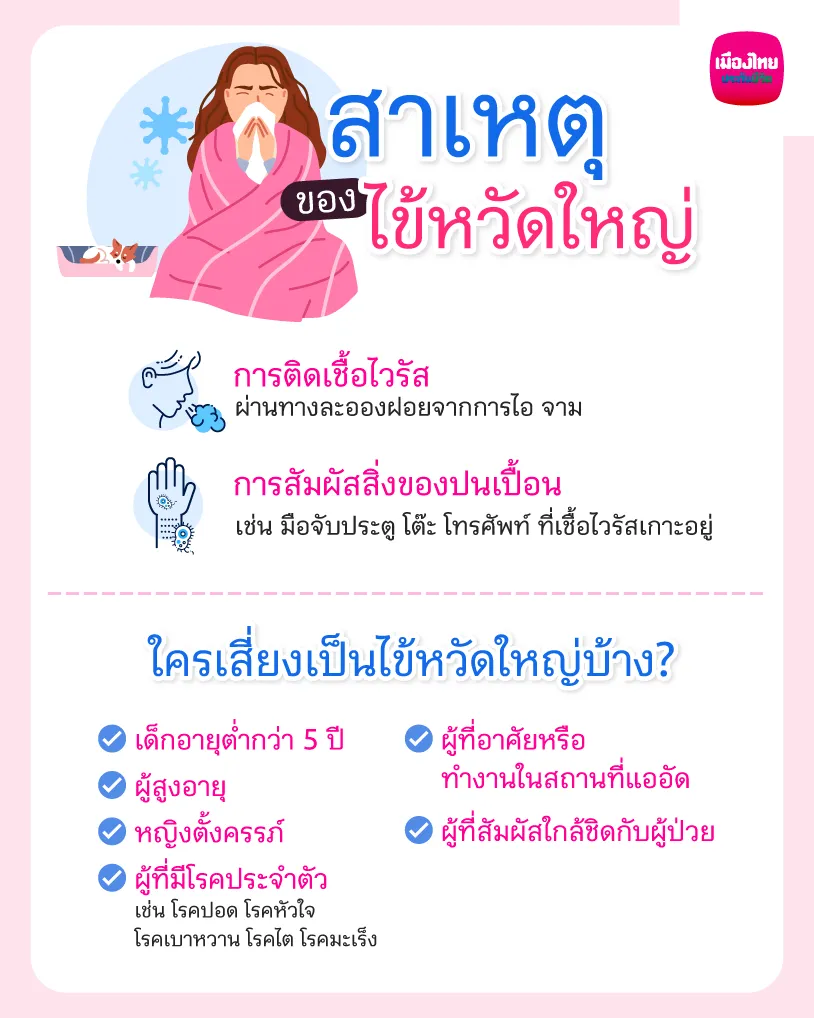
Causes of influenza
- Viral infection: Influenza spreads easily from person to person through droplets released when an infected person coughs, sneezes, or speaks. The virus lingers in the air, and when others inhale it, they become infected.
- Contact with contaminated objects: The virus can also survive on surfaces such as door handles, tables, or mobile phones. If a person touches these objects and then touches their eyes, nose, or mouth, they may become infected.
Who is at risk of contracting influenza?
Influenza is highly contagious, particularly among individuals with weakened immune systems or certain risk factors. Identifying high-risk groups helps in effectively preventing the spread of the disease.
- Young children: Children under the age of 5 often have underdeveloped immune systems, making them more vulnerable to infection and severe symptoms compared to adults.
- Elderly people: As people age, their immune systems weaken, making it harder to fight off infections and increasing the risk of worsening conditions.
- Pregnant women: Pregnancy alters the immune system, increasing susceptibility to infections and severe symptoms.
- People with underlying illnesses: Those with chronic diseases such as lung disease, heart disease, diabetes, kidney disease, cancer, or those taking immunosuppressive medications are at high risk of influenza complications.
- People living or working in crowded places: This includes schools, factories, hospitals, and other locations with large gatherings.
People in close contact with influenza patients: Those who care for influenza patients directly are at a high risk of contracting the virus.

2. Why do you have influenza frequently?
Influenza is caused by the constantly mutating influenza virus, making it difficult for the body to develop immunity. This is a major reason why people can get reinfected multiple times, even after recovering from a previous infection. The reasons influenza leads to frequent illness include:
- Frequent viral mutations: The genetic structure of the influenza virus changes continuously, meaning that vaccines developed for one year may not be fully effective against new strains in the following year.
- Specific immunity: The body’s immune system develops resistance to a specific strain of the virus, but it cannot protect against other strains, even within the same viral family.
- Seasonal outbreaks: Influenza tends to spread annually, particularly during winter, increasing exposure to the virus.
Risk factors: People with weakened immune systems, such as young children, the elderly, pregnant women, or those with chronic illnesses, are more likely to experience recurrent infections.
Why can you contract influenza again so quickly?
- Time required for immunity development: After recovering from influenza, the body takes time to build immunity, which may take several weeks.
- High viral load: Exposure to a large amount of the virus may overwhelm the body's defenses, leading to reinfection.
- Repeated exposure: Frequent exposure to the virus within a short period may result in reinfection.
How to prevent recurrent influenza infections
- Get vaccinated: Influenza vaccination is the best preventive measure. Although it does not provide 100% protection, it helps reduce the severity of the disease and the risk of complications.
- Maintain good hygiene: Wash hands frequently, avoid touching the face, and wear a mask in public places
- Get enough rest: Adequate rest strengthens the immune system.
- Eat a healthy diet: Nutritious food helps keep the body strong and better equipped to fight illnesses.
3. Symptoms of influenza
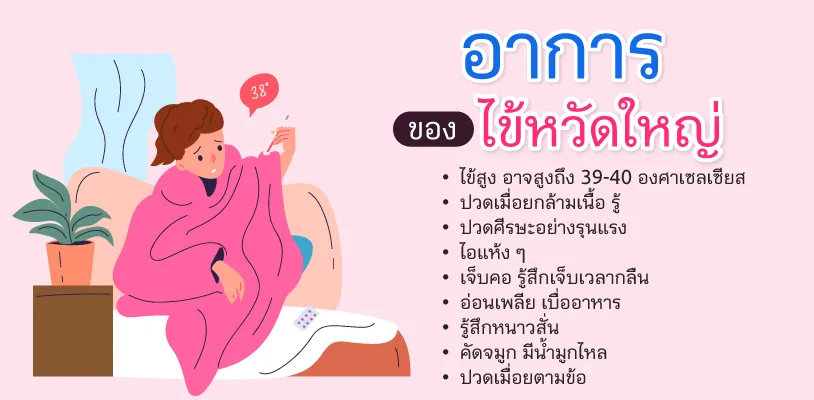
Influenza is an infectious disease caused by the influenza virus, affecting the respiratory system. Symptoms usually appear suddenly within 1–4 days after exposure and typically resolve within a week. However, some cases may develop severe symptoms or complications. Common symptoms of influenza include:
- High fever, which is a prominent symptom, with body temperature reaching 39–40°C
- Muscle aches, especially in large muscle groups such as the arms, legs, and back
- Severe headaches
- Dry cough with little to no phlegm
- Sore throat, redness in the throat, and pain when swallowing
- Fatigue, weakness, and loss of appetite
- Chills, even in a warm environment
- Nasal congestion and runny nose
- Joint pain
Other possible symptoms include nausea, vomiting (these symptoms may occur, especially in children), diarrhea, which is less common than other symptoms, and breathing difficulties, which usually occur in people with underlying health conditions or the elderly. However, if you experience the following symptoms, seek medical attention immediately:
- Fever lasting more than 2–3 days
- Shortness of breath or difficulty breathing
- Chest pain
- Severe headache
- Confusion or disorientation
- Severe vomiting or diarrhea
Worsening or persistent symptoms
4. Treatment for influenza
Influenza is an infectious disease that typically resolves on its own within 1–2 weeks. However, proper self-care can help alleviate symptoms faster and reduce the risk of complications.
Home treatment
- Get enough rest: Sufficient sleep helps the body fight off the virus.
- Stay hydrated: Drinking plenty of fluids prevents dehydration, helps reduce fever, and aids in clearing mucus.
- Eat light meals: Choose easily digestible foods, such as porridge or soup, to reduce strain on the digestive system.
- Take medication according to symptoms, such as fever-reducing medicine (paracetamol to reduce fever and relieve body aches), cough medicine to alleviate coughing, decongestants, and throat lozenges (consult a pharmacist before using any medication).
- Applying a warm compress can help reduce fever and muscle pain.
- Clearing nasal passages keep the nasal passages clear helps relieve congestion.
- Avoid smoking because it can worsen symptoms.
Medication treatment
- Antiviral drugs: In certain cases, doctors may prescribe antiviral medications, especially for people at high risk of complications or those who seek treatment within 48 hours of symptom onset.
- Antibiotics: Antibiotics are only used to treat bacterial infections and are not effective against influenza.
You can read an additional article on influenza at Quickest Way to Reduce Fever That You Can Do Yourself.
Influenza symptoms may vary from person to person, with some experiencing more severe symptoms than others. If you suspect you have influenza, consult a doctor for advice. Most importantly, influenza is difficult to prevent completely due to continuous virus mutations. The best preventive measures include vaccination and maintaining good hygiene. Additionally, apart from personal prevention, it is also important to prepare for medical expenses in case of illness with health insurance, covering treatment expenses ranging from 200,000 to 100 million baht, ensuring peace of mind regarding medical costs.
For more information:
☑️ Call Tel. 1766, available 24/7
☑️ Contact a life insurance agent.
- Please study the details of coverage, conditions, and exclusions before making a decision to purchase insurance.
Sources: Retrieved on 22/01/25
🔖Department of Disease Control