


Ovarian Cancer Symptoms at Each Stage – A Silent Threat Women Should Know
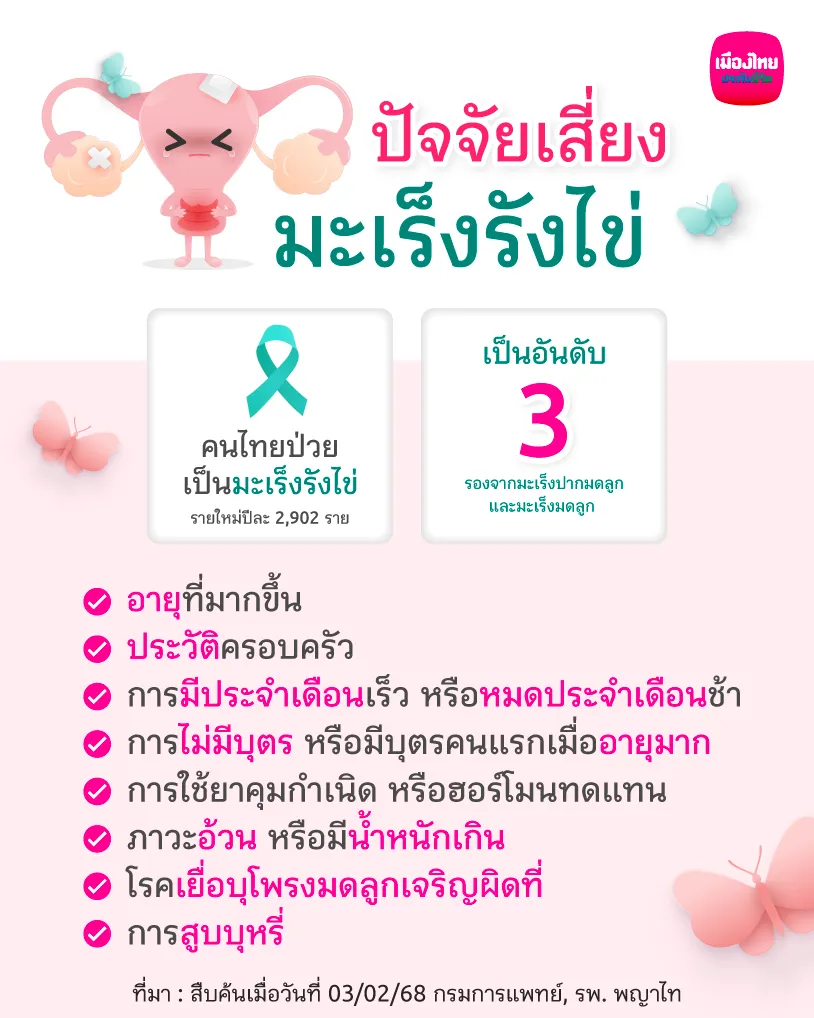
Ovarian cancer develops in the ovaries, which are part of the female reproductive system. While it can occur at any age, it is most commonly found in women aged 50-60. According to Cancer in Thailand Vol. X (2016-2018) by the National Cancer Institute, there are 2,902 new ovarian cancer cases annually in Thailand, making it the third most common gynecologic cancer after cervical and uterine cancer. It is also the leading cause of death among gynecologic cancers. What makes ovarian cancer particularly dangerous is its lack of noticeable symptoms in the early stages. By the time symptoms appear, the disease may have already spread. Today, we’ll discuss the early and late-stage symptoms of ovarian cancer, along with prevention methods, to help women stay informed and proactive.
Too long? Jump to the section you need!
1. Ovarian Cancer Risk Factors
2. Ovarian Cancer Symptoms at Each Stage
3. How to Prevent Ovarian Cancer
1. Ovarian Cancer Risk Factors
Ovarian cancer is a complex disease with multiple risk factors that may increase the likelihood of developing it. While the exact cause remains unknown, understanding these risk factors can help you assess your own risk and seek medical advice or screening when necessary.
- Advancing Age – The risk of ovarian cancer increases with age, particularly in women over
- Family History – Women with a family history of ovarian, breast, or colorectal cancer are at a higher risk.
- Early Menstruation or Late Menopause – Starting menstruation before age 12 or reaching menopause after 55 may increase risk.
- Never Having Children or Late First Pregnancy – Women who have never given birth or had their first child after age 30 may have a higher risk.
- Use of Birth Control or Hormone Therapy – Long-term use of birth control pills may slightly increase risk, but they also offer protection against other cancers. Postmenopausal hormone replacement therapy can also raise the risk.
- Obesity or Excess Weight – Being overweight or obese is linked to a higher risk.
- Endometriosis – This condition may increase the risk of certain types of ovarian cancer.
- Smoking – Smoking can raise the risk of specific ovarian cancer types.
Other potential risk factors:
- Exposure to Asbestos – Long-term exposure to asbestos may contribute to increased risk.
- High-Fat Diet – Some studies suggest that a diet high in fat may be associated with a greater risk.
Having one or more of these risk factors does not mean you will develop ovarian cancer. However, if you are at risk, consulting a doctor for guidance and regular screening is essential.

2. Ovarian Cancer Symptoms at Each Stage
Ovarian cancer is a silent threat to women because its early stages often show no clear symptoms. Many patients remain unaware of the disease until it has already progressed.
Symptoms by Stage:
- Stage 1: The cancer is confined to the ovaries and can be treated with surgery. However, it is rarely detected at this stage due to the absence of noticeable symptoms. Some mild signs may include bloating, indigestion, pelvic pain, nausea, or loss of appetite—symptoms often mistaken for other conditions.
- Stage 2: Cancer cells spread to the pelvic region. This stage is also difficult to detect, as symptoms remain minimal or absent.
- Stage 3: Cancer cells have spread to the abdominal lining, causing the abdomen to expand rapidly due to fluid in the abdomen. Patients may have more obvious symptoms, such as:
- Chronic pelvic or lower abdominal pain
- Rapid abdominal swelling due to fluid buildup
- Unexplained weight loss
- Fatigue and weakness
- Abnormal vaginal bleeding
- Frequent urination or bowel issues
- Stage 4: Cancer cells spread rapidly to other organs. Ovarian cancer can metastasize to the lungs, liver, or bones, leading to symptoms related to the affected organs, such as difficulty breathing, persistent coughing, back pain, or bone fractures.
Key Points to Remember:
- Symptoms may vary from person to person.
- Some symptoms may indicate other conditions, not necessarily cancer.
- Regular ovarian cancer screenings are crucial, especially for women at higher risk due to age or family history.
If you experience persistent or concerning symptoms, seek medical advice promptly. Early detection greatly improves treatment outcomes.
.webp?format=webp&width=814&height=400)
3. How to Prevent Ovarian Cancer
Since early-stage ovarian cancer often presents no clear symptoms, many patients remain unaware until it has already progressed. To reduce the risk and prevent ovarian cancer, consider the following approaches:
1. Maintain a Healthy Weight and Exercise Regularly
- Keeping your weight within a healthy range can help reduce the risk.
- Engaging in regular exercise, at least 150 minutes per week of moderate-intensity activity or 75 minutes per week of high-intensity activity, can also lower the risk.
2. Choose a Nutritious Diet
- Consume at least five servings of fruits and vegetables daily, such as three portions of vegetables and two portions of fruit or four portions of vegetables and one portion of fruit.
- Opt for whole grains like brown rice.
- Reduce the intake of red and processed meats.
- Limit the consumption of high-fat foods.
3. Consult a Doctor about Birth Control Pills
- Taking oral contraceptives may help reduce the risk of ovarian cancer, but it is important to consult a doctor to assess the benefits, risks, and suitability for each individual.
4. Plan for Pregnancy
- Pregnancy and breastfeeding may help lower the risk.
- If you are planning to have children, consult a doctor for guidance.
5. Get Cancer Screenings
- Regular pelvic exams and ultrasound screenings can help detect abnormalities early.
- If you have a family history of ovarian cancer, consult a doctor to determine appropriate screening options.
6. Avoid Other Risk Factors
- Quit smoking.
- Avoid exposure to harmful chemicals.
Therefore, the best way to prevent ovarian cancer is to maintain overall good health. Following these guidelines can help reduce the risk of developing the disease. If you experience unusual symptoms such as bloating, indigestion, pelvic pain, or abnormal bleeding, consult a doctor immediately. Ignoring these signs and assuming they are not serious may result in a late-stage diagnosis. Additionally, it is essential to be financially prepared for medical expenses, as no one can predict when a critical illness may arise.
Get ready for medical expenses in case of illness with health insurance, covering medical expenses ranging from 200,000 Baht to 100 million Baht, ensuring peace of mind regarding medical costs.
For more information:
☑️ Call Tel. 1766, available 24/7.
☑️ Contact a life insurance agent.
- Please study the details of coverage, conditions, and exclusions before making a decision to purchase insurance.
Sources: Retrieved on 03/02/25
🔖 Department of Medical Services